

Puffy under-eyes can make you look like you’re fighting fatigue, even after a full night’s sleep.
But not all eye bags are the same. Some fade by lunch, some flare in allergy season, and some never budge.
In this guide, you’ll learn the six types of eye bags, how to spot yours at home and which fixes match each one.
Let’s dive right in.
What Causes Eye Bags?
Eye bags are swelling or bulging between your lower eyelid and the top of your cheek. The skin there is some of the thinnest on your face, with little support underneath.
The anatomy is simple: a pad of fat cushions each eye, held back by a thin sheet of tissue called the orbital septum. So when fat pushes forward, fluid pools or the skin loses collagen, it shows.
That’s why the type you have depends on which layer is causing the bulge. And that layer decides which fix will actually help.
The 6 Types of Eye Bags
Most under-eye puffiness fits one of these six groups. Many people have more than one, so read them all before you decide.
1. Fat-Based Eye Bags
Fat-based eye bags are the firm, lasting bulge right under the lower eyelid. Genetics plays a big role, so they often run in families and can show up long before other signs of aging.
With aging, the orbital septum loosens and the fat behind it pushes forward into a pouch. These bags look the same morning and night, and more sleep or less salt won’t shrink them.
The long-lasting fix is lower eyelid blepharoplasty, an eyelid surgery that removes or repositions the extra fat. Depending on the patient, a surgeon may work inside the eyelid with no visible scar, trim loose skin under the lash line, or move fat into the groove below.

Some surgeons also make the incision with a laser. Whichever technique fits you, that choice belongs to an oculoplastic surgeon (an eye surgeon who specializes in eyelids) or a facial plastic surgeon after an exam.
2. Fluid-Based Eye Bags (Edema)
Here, the swelling comes from fluid retention, which doctors call periorbital edema when it collects around the eyes. They feel softer than fat bags and look worst when you wake up.
Why mornings?
Lying flat lets fluid settle in the loose tissue around your eyes. Once you’re upright, it drains, so the swelling usually fades within a few hours.
A few everyday habits make it worse:
- A salty diet, especially late-night meals
- Alcohol, which can cause dehydration and leave you puffy
- Lack of sleep over several nights
- Crying and hormonal shifts before your period
The good news is that fluid bags are temporary, so habit changes can make a visible difference. If your puffiness tracks with dinner, start by cutting the same foods that worsen dark circles.
3. Allergy Eye Bags
Allergy eye bags appear when you react to pollen, dust, pet dander or a new product. Your body releases histamine, which widens small blood vessels and makes the eyelid tissue swell.
The result? Puffy, itchy eyes, often with redness, watering or a stuffy nose.
Hay fever is a common trigger, but cosmetics and fragranced skin care can cause the same irritation. Avoiding the trigger or taking an over-the-counter antihistamine usually calms the inflammation.
Note: Rubbing itchy eyes adds swelling and can darken the skin over time.
4. Malar Bags and Festoons
Malar bags sit lower than regular eye bags. They form a soft pouch on the upper cheek, below the bony rim of the eye socket.
When they hang in folds, they’re called festoons. They can puff up more on some days, but the pouch stays because it comes from weakened tissue over the cheekbone.

Standard eyelid surgery targets the pads behind the eyelid, so it often misses a pouch on the cheek. That makes malar bags one of the trickier types to treat, so see a specialist who treats them regularly.
5. Tear Trough Hollows (Sunken Eye Bags)
This one isn’t a bag at all. The tear trough is the groove from the inner corner of your eye toward the cheek.
When it deepens, it casts a shadow that looks like a bag, which is why people search for “sunken eye bags.” Volume loss with age or your bone structure can deepen it.
Here’s the catch: a small fat bag above a deep hollow looks bigger. That’s why dermal fillers made with hyaluronic acid fill the hollow below a bag instead of treating the bag itself.
6. Loose, Crepey Under-Eye Skin
Sometimes the problem is the skin itself. As collagen breaks down, the thin under-eye skin loses its bounce and starts to fold and sag.
Sun exposure and smoking speed this up. A steady anti-aging routine helps over months.
In a clinic, rejuvenation treatments like laser resurfacing, exfoliating chemical peels and microneedling (also called collagen induction therapy) go further.
How to Tell Which Type of Eye Bags You Have
You can narrow down your type with a mirror and decent light. I recommend checking once in the morning and once in the evening, since some types change through the day.
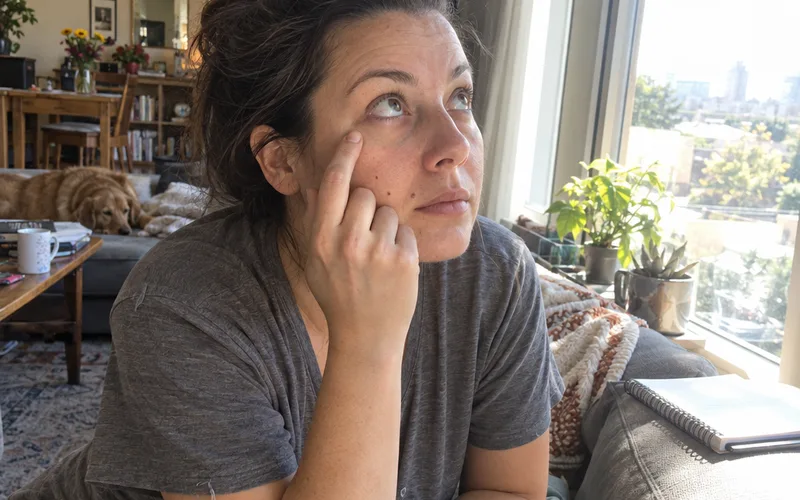
Here’s how to do it:
- Check the timing. Puffiness that fades by afternoon points to fluid, and an all-day bulge is usually fat.
- Look up. Keep your head still and roll your eyes upward. Fat bags bulge more, while morning puffiness barely changes.
- Find the location. A pouch under the lashes is eyelid fat or fluid, and one lower on the cheek suggests festoons.
- Look for a groove. Under an overhead light, a shadowed channel instead of a bulge means a tear trough hollow.
- Note any itching. Itchy, watery eyes that flare seasonally or after a new product point to allergies.
Finding more than one is normal. Fat bags with a hollow below, or morning puffiness on top of fat, are common combinations, so treat each part on its own terms.
Pro Tip: Take a phone photo in the same light at the same time on a few days. Side by side, the morning-versus-evening difference is much easier to see.
Eye Bags vs. Dark Circles vs. Hollow Eyes
Eye bags, dark circles and hollow eyes get mixed up all the time, but each has a different cause. Here’s the quick difference:
- Eye bags are raised, because fat or fluid pushes the skin out.
- Dark circles are a color change from pigment, visible blood vessels or shadow.
- Hollow eyes are sunken, because lost volume creates a shadowed groove.
So what are “black eye bags”? Usually a bag plus darkness, from the bulge’s shadow or extra melanin, a type of hyperpigmentation more common in darker skin tones.
If darkness bothers you more than puffiness, treating dark circles works differently, because you’re fixing color instead of volume.
Do Eye Bags Go Away on Their Own?
Some do and some don’t, depending on the type:
- Fluid and allergy bags: Yes, though they return with the trigger.
- Fat bags and festoons: No, and they get more noticeable with age.
- Hollows and crepey skin: No, though treatment can soften them.
What about weight loss? It doesn’t target the fat pads around your eyes, so it rarely shrinks them.
Bottom line: if your bags look the same at 8 a.m. and 8 p.m., they’re probably the lasting kind.
How to Match the Fix to Your Type
Each fix only works on the type it’s built for:
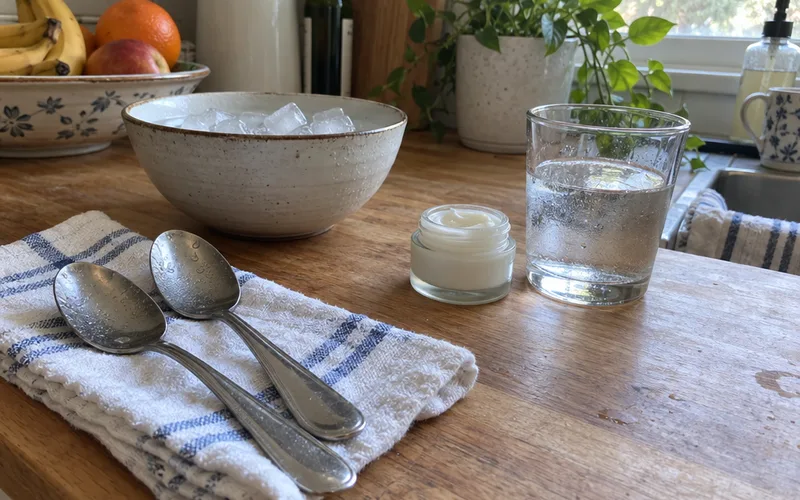
- Fluid bags: Sleep on an extra pillow, follow a healthy diet with less evening salt, limit alcohol, drink enough water and use cold compresses.
- Allergy bags: Avoid the trigger, take an antihistamine and switch to fragrance-free moisturizers.
- Fat bags: Concealer softens the shadow, but lasting change usually means surgery.
- Tear trough hollows: Filler or fat transfer can fill the groove.
- Loose skin: Daily sunscreen, vitamin C, a gentle retinoid and in-office collagen treatments.
- Festoons: See a specialist, since standard treatments often fall short.
Every type benefits from a gentle daily skincare routine built around moisturizer and SPF. Beyond home care, a dermatologist can explain in-office eye bag treatments, from fillers to surgery.
And if the skin under your eyes looks dark as well as puffy, ask about laser treatment for dark circles in the same visit.
When to See a Doctor About Eye Bags
Most eye bags are cosmetic. But see a doctor or ophthalmologist soon if you notice:
- Swelling in one eye, or swelling that appears suddenly
- Pain, redness, warmth or intense itching
- Blurry vision, double vision or any vision loss
- Swelling in your ankles or legs too
- Eyes that bulge or look more open than usual
Ongoing puffiness can sometimes be linked to thyroid disease, kidney problems or a skin condition like dermatitis. As with any sign of illness around the eyes, anything new, one-sided or paired with other symptoms deserves an exam.
Know Your Type Before You Treat
Morning and allergy puffiness respond to simple habits and a healthy lifestyle, while fat bags, festoons and hollows usually need a professional. So start with the mirror check and match your next step to what you find.
Which type of eye bags did the self-check point you to?
Frequently Asked Questions
How do I know what type of eye bags I have?
Check when they look worst, where they sit and whether they’re raised or sunken. Puffiness that fades by afternoon is fluid, an all-day bulge is usually fat, and a shadowed groove is a tear trough hollow.
How can I tell if eye bags are fat or fluid?
Fluid bags feel soft, look worst on waking and fade within hours. Fat bags stay the same all day and bulge more when you look up.
How can I quickly get rid of eye bags?
Hold a cold compress on closed eyes for a few minutes, then use a caffeine eye cream. That combination shrinks morning puffiness for a few hours but won’t change fat bags.
Do eye bags eventually go away?
Fluid and allergy bags come and go. Fat bags, festoons and hollows usually stay and become more visible with age.
What organ is linked to under-eye bags?
Usually none, since most eye bags come from genetics, aging or overnight fluid shifts. Ongoing swelling can sometimes involve the kidneys or thyroid, so see a doctor if it’s new or persistent.
What is the difference between eye bags and hollow eyes?
Eye bags push outward because of fat or fluid. Hollow eyes sink inward from lost volume, and that shadow can look like a bag.
How do you remove eye bags permanently?
Lower eyelid surgery, called blepharoplasty, is the usual permanent fix for fat bags. Home care only manages temporary puffiness.
Which is better for eye bags, filler or surgery?
Surgery suits true fat bags because it removes or moves the fat. Filler suits a hollow tear trough that makes a small bag look bigger.
Does weight loss reduce eye bags?
Not usually, because weight loss doesn’t target the fat pads around your eyes. Losing facial volume can even make hollows deeper.