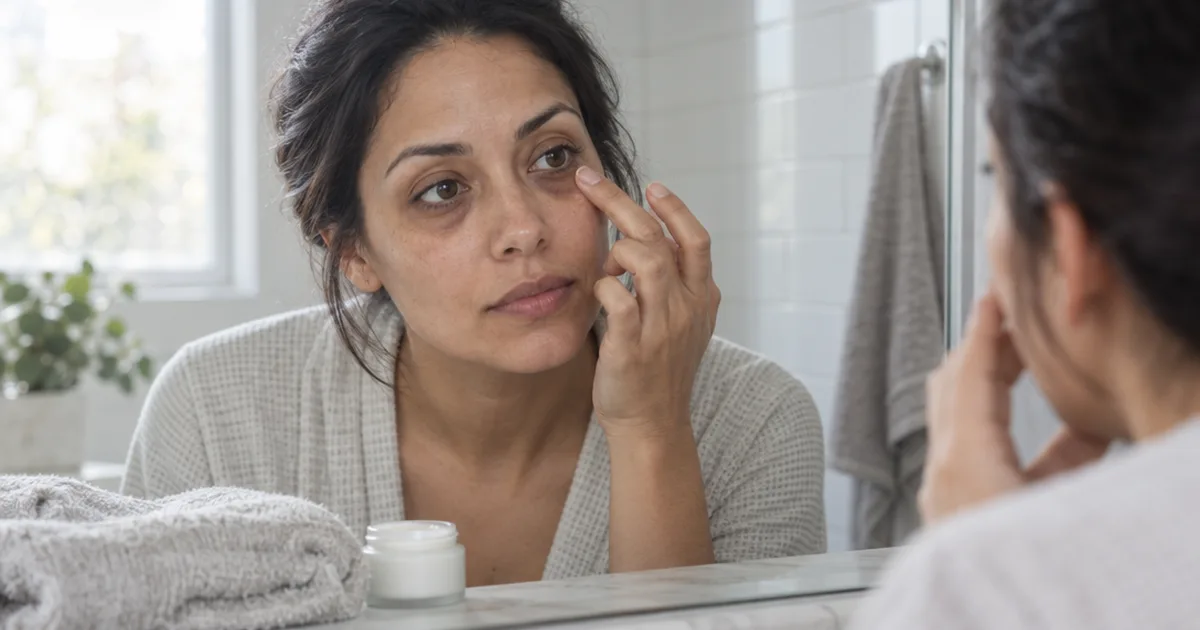

Retinol is about 20 times weaker than the acid your skin actually uses.
That lab finding comes from a 2021 review of retinol studies, and it explains most of the retinoid vs retinol confusion.
Both come from vitamin A, but one works at full strength from night one while the other needs months. Here’s how they compare, and how to pick yours.
Short on time? Match your situation:
- New to vitamin A, or your skin reddens easily: retinol.
- Acne that drugstore washes haven’t fixed: adapalene or a prescription retinoid.
- Fine lines are the goal and you can handle some peeling? Tretinoin has the best evidence.
- Pregnant, breastfeeding or trying to conceive: skip both for now.
Retinoid vs Retinol at a Glance
Prescription retinoids beat retinol on strength, speed and wrinkle evidence, while retinol wins on comfort and easy access. Here’s the side-by-side:
| Category | Retinol | Prescription Retinoids | Winner |
|---|---|---|---|
| How it works | Converted in your skin first | Active form, or acts like it | Retinoids |
| Strength | Weaker | Full strength | Retinoids |
| Time to results | 3-6 months | 4-8 weeks | Retinoids |
| Wrinkle evidence | 4 of 9 trials found no benefit | Tretinoin: 76% vs 55% improved | Retinoids |
| Irritation | Mild dryness or peeling | More peeling and redness | Retinol |
| Where to get it | Any drugstore | Mostly prescription | Retinol |
| Pregnancy | Avoid | Avoid | Tie |
| Overall | Best first step | Best results | Retinoids |
So your skin’s tolerance decides where you start. Most people can begin with retinol and move up later if it stalls.
Is Retinol a Retinoid?
Retinol is a retinoid: “retinoid” is the family name for every vitamin A ingredient used on skin, and retinol is one of its milder members.
So why do labels treat them as rivals?
In everyday use, the umbrella term “retinoid” means the stronger prescription products and “retinol” means the gentler drugstore kind, Healthline explains.
The real difference is chemistry. Your skin turns retinol into retinal, then into retinoic acid, the active form that changes how skin cells behave.
Each step in that chain costs strength. Once active, retinoids work deep in the dermis to boost collagen, dermatologist Karyn Grossman tells Healthline.
What Is Retinol?
Retinol is a form of vitamin A sold over the counter, usually at 0.5% to 1%, and your skin must turn it into retinoic acid before it works.
Best for: first-time users, sensitive or dry skin, and early fine lines or uneven tone. Skip it if your acne needs help fast.
Cost: Wide range. One 2021 review counted over 250 retinol products on a single UK beauty site, from £4.20 to £210.
Payoff: Smoother texture and more even skin tone, the main uses the AAD lists for retinol.
Time: One season or more.
First step: Check the label for “retinol” and see if the concentration is printed.
That last step matters. Dermatologist Anne Chapas, MD, tells the AAD that US labels don’t have to list the retinol percentage, so use the lowest one you can find.
The form matters too. Retinyl palmitate, one of the retinyl esters, is the most common retinol in cosmetics but, in theory, the least effective, the 2021 review notes.
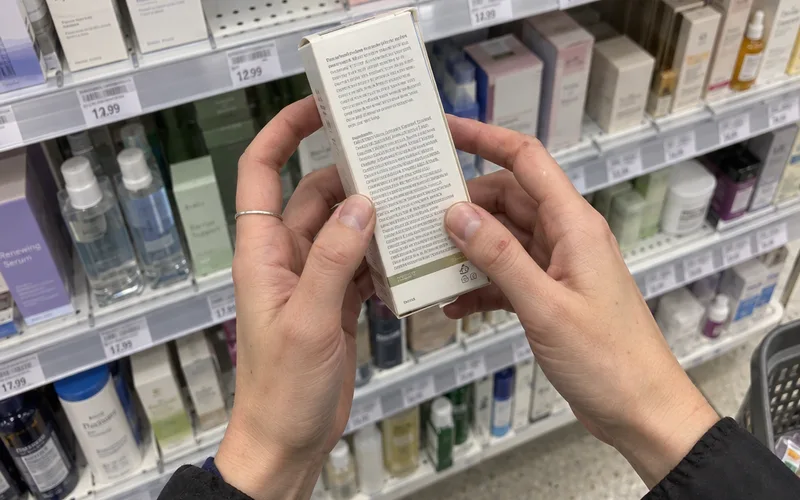
So look for plain retinol or retinal near the top of the list. Then compare these retinol picks from dermatologists before you buy.
Where Retinal Fits
Retinal (also called retinaldehyde) is one step from retinoic acid, and retinol is two steps away.
Retinal is still sold without a prescription, so it’s a middle ground between the two.
What Are Prescription Retinoids?
Prescription retinoids are vitamin A medicines, like tretinoin and tazarotene, that are retinoic acid or act like it, so they skip retinol’s conversion steps.
Best for: acne that drugstore care hasn’t cleared, deeper fine lines and stubborn dark spots. Skip it if you’re pregnant, breastfeeding or trying to conceive.
Cost: A doctor’s visit plus the prescription. The 2021 review notes many retinol products cost more than the same amount of prescription tretinoin.
Payoff: Faster, visible change, with trial data for fine wrinkles and dark spots.
Time: 1-3 months.
First step: Book a dermatologist or primary care visit.
Here’s what to say: “I’d like to try a prescription retinoid for my acne (or fine lines). Which one and what strength would you start me on?”
Tretinoin
Tretinoin is synthetic retinoic acid, the same active ingredient your skin makes from retinol. It’s the most studied retinoid for facial aging.
The FDA approved it for acne in 1971, and brands include Retin-A and Renova.
Adapalene
Adapalene is a retinoid made for acne. The AAD notes it comes in both prescription and over-the-counter formulations, and the 0.1% Differin gel needs no prescription.
Tazarotene, Trifarotene and Isotretinoin
Tazarotene (Tazorac) treats psoriasis, acne and sun damage, and trifarotene (Aklief) treats acne on the face and body. You apply the others topically, but isotretinoin is a pill for severe acne.
The full lineup of retinoids for face ranks every type from gentlest to strongest.
Which Is Stronger, Retinol or a Retinoid?
Prescription retinoids are stronger than retinol: lab tests show retinols are 20 times less potent than retinoic acid, a 2021 systematic review reports.
Why such a big gap in potency?
Retinol has to be converted twice inside your skin. Tretinoin is already retinoic acid, so it skips that wait.
But stronger isn’t always better. A retinoid you quit after a week of peeling does less than a gentle one you use for months.
How Long Each One Takes to Work
Prescription retinoids usually show improvement in 4 to 8 weeks, while retinol takes about 3 to 6 months of daily use, says Westlake Dermatology.
That gap comes from the conversion steps, so don’t judge retinol after 2 weeks. Plan on a full season before you decide.
Healthline suggests seeing a doctor if you’re unhappy after 3 months. These retinol before and after timelines show what realistic change looks like.
Retinoid vs Retinol for Wrinkles
For wrinkles, tretinoin has much better proof than retinol: a 2021 review found 4 of 9 controlled retinol trials showed no real gain over plain base cream.
The other 5 hinted at a mild effect on fine lines, but the reviewer found major flaws in them.
The prescription side looks very different. In a two-year trial, 76% of people using tretinoin 0.05% improved in fine wrinkling, compared with 55% on base cream.
That’s a real edge, not magic. The label for Renova, a 0.02% tretinoin cream, says it doesn’t erase wrinkles or reverse photoaging.
If fine lines are your main goal and your skin can take it, tretinoin is the evidence-backed pick. Pair it with a simple anti-aging routine and daily sunscreen, since retinoids make skin more sun-sensitive.
Retinoid vs Retinol for Acne and Dark Spots
For acne, adapalene and tretinoin beat retinol: tretinoin has been an FDA-approved acne treatment since 1971, and adapalene is now sold over the counter.
Tretinoin keeps pores from clogging and helps prevent acne scars, the AAD notes. Retinol can treat milder breakouts, just more slowly.
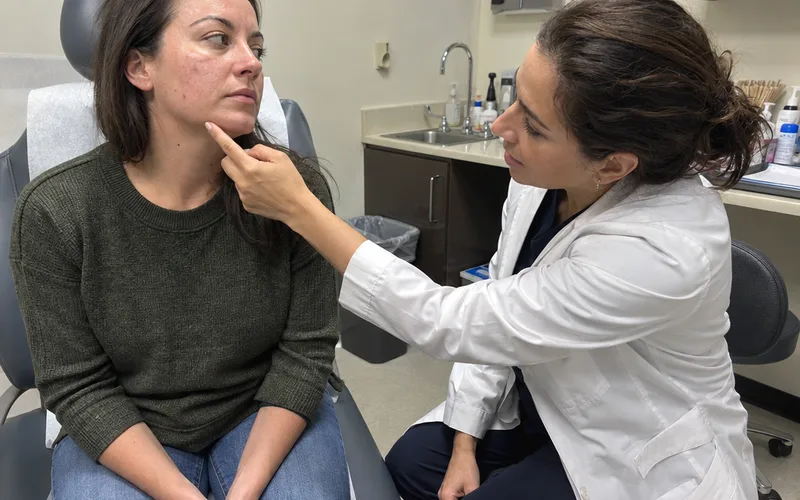
Dark spots follow the same pattern. In that two-year trial, 74% of tretinoin users improved in blotchy hyperpigmentation, vs 65% on base cream.
There’s one catch for darker skin: irritation can trigger new dark marks, dermatologist Sonia Badreshia-Bansal, MD, tells the AAD. So start slowly and use a moisturizer.
If spots don’t budge after a few months, ask about in-office dark spot treatments instead of a harsher cream.
Side Effects: Which One Is Harsher?
Prescription retinoids are harsher than retinol: they cause more peeling and redness, while retinol usually brings only mild dryness, says Westlake Dermatology.
Dermatologist Karyn Grossman tells Healthline the usual side effects are the same for both. Think redness, dryness, flaking, burning and sun sensitivity.
She says these adverse effects often mean you’re using too much, too often.
So use either one at night, and wear a sunscreen you’ll actually use every morning. Skip harsh scrubs and strong exfoliants while your skin adjusts, Westlake Dermatology adds.
Some skin needs a doctor’s input first. With rosacea, eczema or a lot of redness, ask a dermatologist before trying either, since retinol isn’t right for everyone.
The AAD adds that people with skin allergies or dry skin are probably not good candidates.
And don’t double up. Two retinoid products at once often means more dryness and irritation, so read up on mixing a retinoid with retinol first.
Who Should Choose Retinol
Retinol is the better choice if you’re new to vitamin A, have sensitive or dry skin, or want smoother texture without a doctor’s visit.
Here’s who it fits best:
- First-time vitamin A users
- Sensitive, dry or easily irritated skin
- Early signs of aging, like fine lines or dullness
- Anyone who wants to start this week without a prescription
Start low and slow. Grossman suggests 2 to 3 nights a week at first, then work toward daily use after about a month.
Use it at night on clean, dry skin. Dermatologist Ramya Kollipara tells Healthline to use a pea-size amount after a gentle cleanser, then add moisturizer.
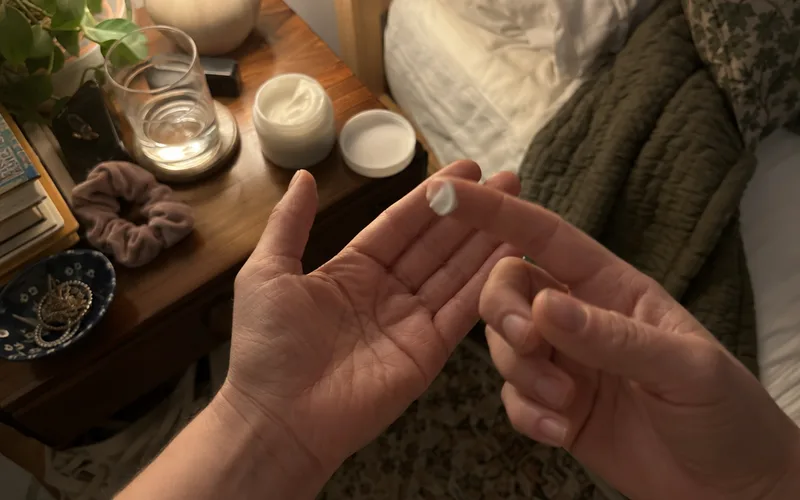
These steps on how to use retinol cover the rest.
If your skin flushes easily, pair it with a gentle routine for sensitive skin.
Who Should Choose a Prescription Retinoid
A prescription retinoid is the better choice if drugstore products haven’t cleared your acne, or you have deeper fine lines or stubborn dark spots.
It’s also the natural next step. If retinol hasn’t worked after several months, your doctor may suggest moving up, says Westlake Dermatology.
Here’s who it fits best:
- Persistent or moderate acne
- Fine lines that retinol didn’t soften
- Blotchy dark spots from sun damage
- Skin that already tolerates retinol well
Even then, start gently. Dermatologist Tina Alster, MD, tells the AAD she has patients use the mildest retinoid every other night, then build up.
One rule covers both: the AAD states retinoids should not be used during pregnancy, and retinol is a retinoid.
Frequently Asked Questions
Should beginners use retinol or a retinoid?
Most beginners should start with retinol, the gentlest over-the-counter retinoid, because it causes less dryness and peeling. If acne is the main problem, start with 0.1% adapalene instead, 2 to 3 nights a week.
Can I use a retinoid and retinol together?
Using a retinoid and retinol together usually isn’t a good idea, because two retinoid products often mean more dryness and irritation, dermatologist Ramya Kollipara tells Healthline. Pick one unless a dermatologist sets the schedule.
Can you use retinol or retinoids while pregnant?
No, retinol and prescription retinoids should not be used during pregnancy, according to the American Academy of Dermatology. Westlake Dermatology adds breastfeeding, so ask your doctor about alternatives.
Is tretinoin a retinoid?
Yes, tretinoin is a retinoid: it’s synthetic retinoic acid, sold under names like Retin-A and Renova. In the US it needs a prescription.
Is adapalene a retinol or a retinoid?
Adapalene is a retinoid, not a retinol: it’s made for acne and acts on retinoic acid receptors directly. You can buy the 0.1% gel over the counter as Differin.
Does tretinoin help with dark spots?
Yes, tretinoin can help fade blotchy dark spots: in a two-year trial in a 2021 systematic review, 74% of people using a 0.05% cream improved vs 65% on base cream. Wear sunscreen daily, since retinoids make skin more sun-sensitive.
Is retinol cheaper than a prescription retinoid?
Retinol isn’t always cheaper than a prescription retinoid: a 2021 systematic review noted many retinol products cost more than the same amount of prescription tretinoin. Compare a doctor’s visit plus the prescription with the serum you’re eyeing.
Final Thoughts
Retinol and prescription retinoids are the same family, so the choice comes down to how much strength your skin can handle.
New to vitamin A? Pick one low-strength retinol this week and use it 2 nights a week, with sunscreen every morning.
Already gave retinol a few months, or fighting acne? Book a dermatologist visit and ask about a prescription retinoid.