
In this guide, I’ll show you how retinoids for face actually work and how to pick the one that fits your skin.
Why does that matter? Because “retinoid” covers everything from a mild drugstore cream to a prescription gel that can leave you red and flaky if you rush it.
Here’s what you’ll learn:
- Every retinoid type, ranked from gentlest to strongest
- What each one does for acne, wrinkles and dark spots
- How to start without the peeling, and what to mix (or not)
Let’s get started.
What Are Retinoids?
Retinoids are vitamin A derivatives, and your body uses that same vitamin for vision and immune health. On your skin, they’re one of the few skin care ingredients with decades of clinical trials behind them for both acne and aging.
The word “retinoid” is an umbrella term. Retinol, retinal, adapalene and tretinoin are all retinoids, and they differ mainly in strength and how fast they work.
That’s why two people can both say “I use a retinoid” and mean very different things. One might use a gentle night cream, while the other uses a prescription drug from a dermatologist.
How Retinoids Work on Your Skin
Every retinoid ends up doing the same job once it’s active. It turns into retinoic acid, which binds to receptors inside your skin cells and changes how they behave.
In practical terms, that means three things:
- Faster cell turnover. Dead cells shed sooner, so they’re less likely to plug your pores.
- More collagen. Your skin makes more of the protein that keeps it firm, which softens fine lines over time.
- More even pigmentation. Spots fade as pigmented cells are pushed out and replaced.
Retinoids also encourage new blood vessels in the deeper skin layer, which may help explain the healthier color many people notice. Bottom line: one ingredient tackles clogged pores, lines and uneven tone at the same time.
Retinoids for Face: Every Type From Gentlest to Strongest
Here’s the deal: most of the difference between retinoids comes down to how many conversion steps stand between the product and retinoic acid. Each step your skin has to perform makes it gentler, and also slower.
Think of it as a ladder. The lower rungs are mild and sold over the counter, while the top rungs need a prescription.
Retinyl Esters: The Gentlest Starting Point
Retinyl palmitate and retinyl acetate sit at the bottom of the ladder. Your skin has to convert them three times before they become retinoic acid, so very little of the active form reaches deeper skin.
You’ll often find them in moisturizers and cosmetics that list “vitamin A” on the label. They’re a fair pick if other retinoids have irritated you, but don’t expect big changes.
Retinol: The Over-the-Counter Classic
Retinol is the retinoid most people mean when they talk about anti-aging creams. It needs two conversions, first to retinal and then to retinoic acid, so it works more slowly than prescription options but irritates less.
It comes in serums, creams, lotions and oils at every price point. The catch is that many labels don’t list the percentage of retinol, so it can be hard to compare two products side by side.
If you’re weighing retinol against a prescription option, the retinoid vs retinol comparison walks through the trade-offs in detail. For most first-timers, though, retinol is the sensible first rung.
Retinal: One Step From the Real Thing
Retinaldehyde, or retinal for short, is just one step away from retinoic acid. That makes it stronger and faster than retinol while still being gentler than prescription options.
Retinal is a good next step once retinol stops feeling like it does much. It’s also popular with people who want faster results but can’t easily get a prescription.
Adapalene: The Acne Retinoid You Can Buy Without a Prescription
Adapalene is a lab-made retinoid built to fight acne. It’s sold over the counter as a gel, most famously under the brand name Differin, and stronger versions are available by prescription.
Adapalene tends to be gentler than tretinoin, which makes it the best starting point for breakouts. It also helps with texture and early lines, though it isn’t marketed for aging.
Tretinoin: The Prescription Gold Standard
Tretinoin is pure retinoic acid, so your skin doesn’t need to convert it at all. You may know it by brand names like Retin-A, Renova or Atralin.

It has the longest research history of any retinoid for both acne and sun-damaged, wrinkled skin. That power comes with more irritation, so it’s usually where you end up rather than where you start.
Tazarotene and Trifarotene: The Strongest Topicals
Tazarotene, sold as Tazorac and Avage, is a prescription retinoid for acne, psoriasis and sun-damaged skin. Many people find it the harshest cream or gel option, so doctors often save it for stubborn cases.
Trifarotene is a newer prescription retinoid for acne on the face and body. Above these sits isotretinoin, a pill for severe acne that’s a different treatment and needs close medical care.
Retinoid Benefits for Your Face
So what can a retinoid realistically do for you? Quite a lot, as long as you give it time.
Here are the main retinoid benefits, and which types do each job best.
Fewer Breakouts and Clogged Pores
Acne starts when dead skin cells and oil plug a pore. Retinoids keep them shedding on schedule, which prevents the tiny clogs (called comedones) that grow into blackheads, whiteheads and pimples.
They also calm the swelling and inflammation around pimples you already have. That’s why adapalene and tretinoin are standard first-line acne treatments, and why retinoids can make large, clogged pores look smaller over time.
Softer Fine Lines and Wrinkles
Sun exposure breaks down collagen, and that loss shows up as fine lines and wrinkles. Retinoids help your skin rebuild that support and slow its breakdown, so lines gradually soften and skin feels firmer.
Tretinoin has the strongest evidence here, but retinol and retinal work along the same path at a gentler pace. If you’re building a wider routine for aging skin, retinoids pair naturally with the other habits in anti-aging skin care.
More Even Skin Tone and Texture
Faster turnover also clears out the rough, dull top layer. Most people notice smoother texture first, often before any change in lines.
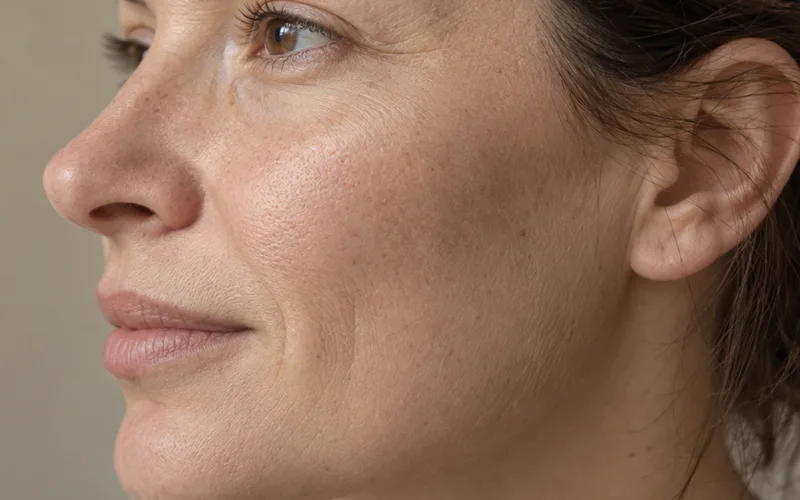
Over months, retinoids can even out pigmentation by lightening sun spots and post-acne marks. Prescription tretinoin may also help fade melasma, the stubborn brown patches often linked to hormones and sunlight.
Some people even use retinoids on their body for marks like stretch marks, though results there are more modest. On your face, smoother texture is the earliest win, while lines and spots take patience.
How to Choose the Right Retinoid for Your Goal
The best retinoid isn’t the strongest one. It’s the strongest one your skin can use consistently without constant redness.
Here’s how I’d match a retinoid to your main goal.
If Acne Is Your Main Concern
Start with over-the-counter adapalene gel. It’s built for clogged pores, it’s widely available and it’s usually easier to tolerate than prescription gels.
If your breakouts are painful, scarring or tied to your period, skip the trial and error and see a board-certified dermatologist. Those patterns often need a prescription retinoid plus other acne care.
If You Want to Soften Fine Lines
Start with a low-strength retinol and give it a few months. Move up to retinal or a stronger retinol once your skin stops reacting, then talk to a doctor about a prescription retinoid if you want faster change.
Product choice matters less than using it often. You can compare picks in this roundup of dermatologist-recommended retinols, or start with the CeraVe retinol serum, a cheap option aimed at post-acne marks.
If dark spots are your main worry and a retinoid alone isn’t fading them, a dermatologist can add in-office options. The dermatologist treatments for dark spots range from chemical peels to lasers.
If You Have Sensitive or Darker Skin
Sensitive skin and dry skin do best with retinyl esters, a slow-release retinol or a low-strength retinal. When you choose a retinoid for skin that reacts easily, pick a cream base over an alcohol-heavy gel and build a calm sensitive skin routine around it.

Retinoids can help every skin color. But if you have a darker skin tone, irritation can leave behind dark marks called hyperpigmentation, so going slow matters even more for you.
The good news is that a slow start and a good moisturizer help lower that risk. Hold off on any new acid or scrub until your retinoid feels comfortable, and take a few nights off if redness lingers.
How to Start Using a Retinoid (Without Wrecking Your Skin)
The number one mistake? Starting too strong and too often.
That leads to redness, peeling and quitting after two weeks. Here’s the slower approach that actually works:
- Patch test first. Apply a little to a small area, such as below your ear, for a few nights and check for redness or itching.
- Use it at night only. Retinoids make your skin more sensitive to the sun, so evening use is the standard advice.
- Wash with a gentle cleanser and let your face dry completely before applying.
- Use a pea-size amount for your whole face, dotted on and spread thinly. Avoid the corners of your nose, mouth and eyes.
- Start two or three nights a week, then add a night every week or two as your skin adjusts.
- Finish with a moisturizer to cushion the skin barrier.
For a full walkthrough, the step-by-step on how to use retinol covers timing, amounts and what to do on off nights.
Pro Tip: If your skin is very dry, try the “sandwich” method. Apply a thin layer of moisturizer, then your retinoid, then more moisturizer.
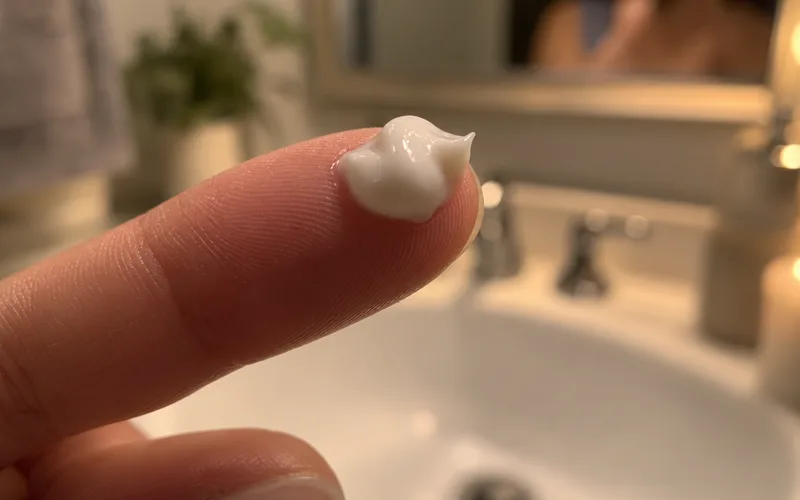
Not sure which layer goes first on a normal night? The retinol and moisturizer order breakdown shows when each approach makes sense.
Finally, wear sunscreen every single morning. Retinoids make sunburn more likely, so a good broad-spectrum sunscreen is part of the treatment, not an extra.
What to Expect: Purging, Peeling and Results
Retinoids start working in your skin right away. But visible results take weeks to months, and your skin may look worse before it looks better.
Here’s a rough idea of how it tends to go:
- First few weeks: Dryness, flaking and mild stinging are common as your skin adjusts.
- First month or two: Acne-prone skin may “purge,” meaning existing clogs surface as breakouts faster than usual.
- After a few months: Breakouts settle and texture looks smoother.
- Several months and beyond: Fine lines and dark spots start to fade as your skin rebuilds.
Purging should show up where you normally break out and clear up within a few weeks. New bumps in unusual places, hives or swelling are a reaction, not a purge, so stop and check with a doctor.
Curious what the change looks like in practice? The retinol before and after guide shows a realistic timeline.
Side Effects and How to Calm Them
Most retinoid side effects are temporary and mild. They usually include:
- Dryness and flaking
- Redness and irritation
- Mild burning or stinging
- Extra sensitivity to sunlight
The fix is almost always to slow down rather than stop. Drop back to fewer nights a week, use less product and add a richer cream.
Note: Skip your retinoid on any area that’s sunburned, chapped or broken. Applying it to damaged skin is a fast way to turn mild irritation into real discomfort.
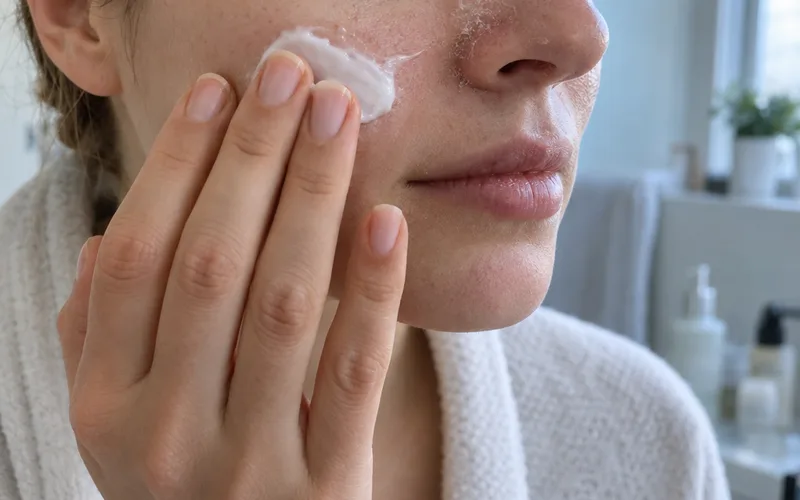
If your face feels tight and raw for more than a few days, focus on barrier repair before restarting. Ceramides, glycerin and a plain fragrance-free cream help your skin recover quickly.
What You Can (and Can’t) Mix With Retinoids
Retinoids play well with soothing ingredients and badly with other irritants. The rule of thumb is simple: pair them with hydrators, and separate them from anything that exfoliates.
Ingredients That Pair Well
These usually work well with a retinoid:
- Niacinamide. This form of vitamin B3 calms redness and supports the barrier, which can offset retinoid dryness.
- Hyaluronic acid. It pulls water into your skin and helps it feel plump instead of tight.
- Ceramides. They help rebuild the barrier that retinoids can strain.
- Vitamin C. It’s an antioxidant that works well in the morning, with your retinoid at night.
Wondering about layering order? There’s a full answer on niacinamide or retinol first, and the retinol vs niacinamide comparison explains what each one does on its own.
For the morning half of that routine, the vitamin C serum guide covers how to pick a stable formula.
Ingredients to Separate
Some products aren’t dangerous with retinoids, but stacking them in one routine often ends in irritation. Use these on different nights or at different times of day:
- Exfoliating acids like glycolic acid and salicylic acid
- Benzoyl peroxide, another common acne treatment that can dry your skin
- Physical scrubs and other harsh exfoliants
- A second retinoid
That last point trips up a lot of people. If you’re tempted to double up, the risks of using tretinoin and retinol together are worth reading first.
Who Should Skip Retinoids or Check With a Doctor First
Retinoids are safe for most adults when used as directed. But they aren’t right for everyone.
Talk to a doctor before using any retinoid if you:
- Are pregnant or trying to get pregnant. Retinoid pills can cause birth defects, and doctors also advise against retinoid creams while you’re pregnant.
- Are breastfeeding. Little topical retinoid reaches your blood, but it’s still worth checking first.
- Have rosacea or eczema. Skin with a lot of redness and inflammation often reacts badly, and rosacea treatment usually takes a different route.
- Have very sensitive skin or skin allergies. You may do better with gentler alternatives such as bakuchiol, a plant extract often sold as a retinol alternative.
Worried about long-term safety in general? The honest answer to whether retinol is bad for you is reassuring for most people, as long as you protect your skin from the sun.
Over-the-Counter vs Prescription Retinoids
Over-the-counter retinoids are a smart first move for mild acne, early fine lines or rough texture. They’re easy to buy and usually gentle enough to use with few side effects.
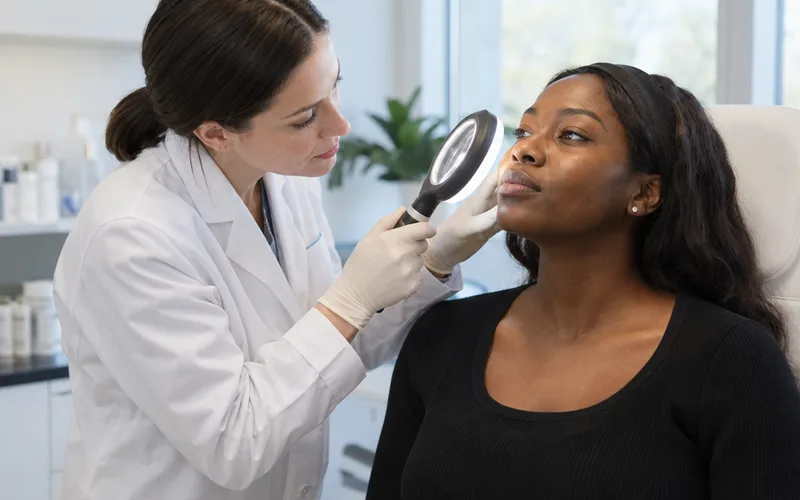
Prescription retinoids make sense when you’ve used an over-the-counter product consistently for a few months without the results you want. They’re also the right call for moderate or severe acne, acne scarring or significant sun damage.
A prescription retinoid isn’t a reward for being patient, though. It’s simply a stronger tool, and it needs the same slow start.
How to Read a Retinoid Label
Whether you pick a serum or a retinoid cream for face, check the label for three things. These tell you more than the price or the brand ever will:
- The exact retinoid named, such as retinol, retinal or adapalene, not just “vitamin A complex”
- A listed strength, so you can start low and step up later
- A short, fragrance-free formula, so fewer extras can irritate your skin
If a label hides the strength, assume it’s on the low side. Then judge it by how your skin responds over a couple of months.
Where to Get Tretinoin Cream
Tretinoin is a prescription drug in the United States, so you can’t buy it off the shelf. You can get a prescription from a dermatologist, your primary care doctor or a licensed telehealth service.
Once you have one, you fill it at a pharmacy or through the service’s own pharmacy. Ask for the generic version, since it usually costs far less than the brand names.
Start Low, Go Slow and Stay Consistent
Retinoids for face are some of the best-studied ingredients in skin care. The trick is choosing a strength you can stick with, using it at night and protecting your skin every morning.
Start with retinol or adapalene a few nights a week. If you want more, you can always climb the ladder later, and a simple skincare routine gives it the right support.
So which retinoid are you going to try first?
Frequently Asked Questions
What does a retinoid do for your face?
A retinoid speeds up how fast your skin sheds and replaces surface cells, which keeps pores clear and makes skin look smoother. Over months, it also helps your skin make more collagen, so fine lines soften and dark spots fade.
Which is better, retinol or a retinoid?
Retinol is a retinoid, just a milder one that your skin has to convert before it works. Prescription retinoids act faster and more strongly, but retinol is gentler and easier to start with if your skin is sensitive.
What is the best retinoid?
Tretinoin has the longest track record for wrinkles and sun damage, and adapalene is the easiest proven choice for acne without a prescription. The best retinoid for you is the strongest one your skin can tolerate a few nights a week.
Where can I buy tretinoin cream?
In the United States, tretinoin needs a prescription from a dermatologist, primary care doctor or licensed telehealth service. You then fill it at a pharmacy or through the service’s own pharmacy.
What should you not mix with retinol?
Avoid layering retinol with exfoliating acids, benzoyl peroxide or another retinoid in the same routine, because together they can over-dry and irritate your skin. Use them on different nights or at different times of day instead.
Are retinoids good for pimples?
Yes. Retinoids keep dead skin cells from clogging pores, which prevents new pimples and blackheads from forming, and adapalene is sold over the counter specifically for acne.
What are the best retinol products?
The best retinol product is one with a clear strength and a simple, fragrance-free formula. Drugstore serums and creams can work as well as pricey ones, so judge the formula rather than the brand or the store.