
In this guide, I’ll show you which stretch marks treatment options actually make a visible difference, and which ones mostly waste your money.
Here’s the deal: there’s no magic eraser. But the right treatment, started at the right time, can turn bold lines into faint ones you barely notice.
You’ll learn what each option does and how to pick the right one for your marks.
Let’s dive right in.
Why Stretch Marks Are So Hard to Remove
Stretch marks form when skin stretches too far or too fast. The middle layer of skin tears slightly, and some of its collagen fibers break.
That’s why they’re so stubborn. A stretch mark is really a type of scar, sitting deep below the surface where most products never reach.
They often show up during pregnancy, puberty, fast weight gain or rapid muscle building. Genes, hormones, steroid use and age can also raise your risk, since older skin makes less collagen and elastin.
Bottom line: you’re treating scar tissue, not a surface stain. That shapes every option below.
Red vs. White Marks: Why the Stage Matters
New stretch marks are usually red, pink or purple. That color comes from blood vessels showing through the damaged skin, and the marks may feel raised or itchy.
Over months to years, they fade to white or silver as those vessels heal. Some marks also turn darker brown, and others sink in slightly as tissue thins underneath.
Why does this matter? Newer, red marks respond much better to almost every treatment, so start while they still have color.
Older marks can still improve, but white stretch marks usually need stronger in-office therapy and more patience. Knowing the types of stretch marks helps too, since sunken or dark marks may need a different approach.
The Best Stretch Marks Treatment Options in a Clinic
If you want the biggest change, a dermatologist’s office is where it happens. These treatments work below the surface, where stretch marks actually live.
Laser Therapy
Laser therapy is one of the most effective ways to improve stretch marks. Some lasers target the redness in new marks, while others make tiny wounds that push the skin to rebuild.
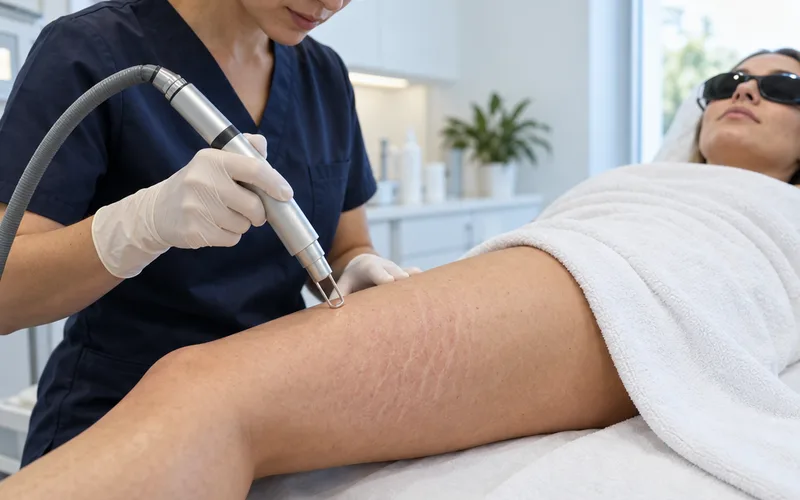
Pulsed dye lasers and intense pulsed light can soften color and boost collagen production over time. You’ll usually need a series of sessions, and the cost adds up fast.
Treatment should come from a fully trained, licensed provider. Machines, session counts and recovery time vary a lot, so compare the lasers used on stretch marks before you book a consultation.
Microneedling
Microneedling uses very fine needles to make controlled micro-injuries in the skin. Your body’s healing response then builds new collagen and elastin, the proteins that keep skin firm and springy.
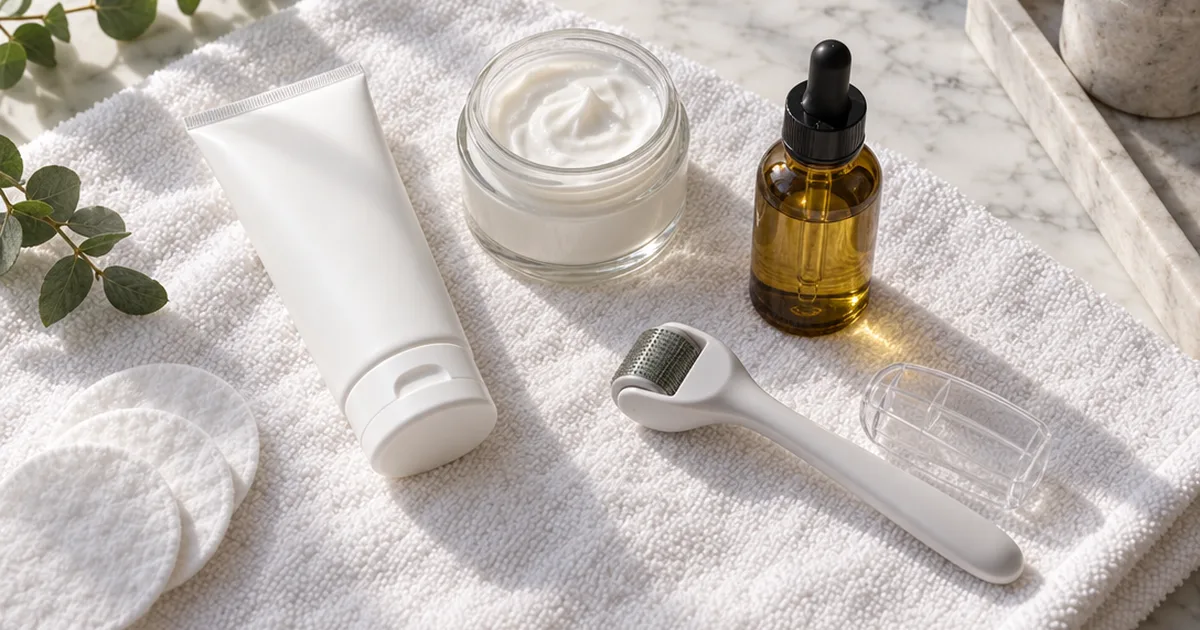
Some clinics pair it with radiofrequency heat to reach deeper tissue. It can also help a tretinoin cream absorb better through the tiny channels it creates.
Clinic devices go deeper than home rollers. If you’re tempted to DIY, learn what home microneedling can do first, including its limits and infection risks.
Chemical Peels and Microdermabrasion
A chemical peel uses an acid solution to remove the top layer of skin cells. Microdermabrasion buffs that same top layer away with fine crystals.
Both can smooth texture and soften the look of the lines a little. But stretch marks sit deeper than either one reaches, so they work best as add-ons to the stronger treatments above.
PRP and Other Add-On Treatments
Platelet-rich plasma (PRP) therapy uses a concentrate made from your own blood to encourage healing and collagen growth. Clinics often combine it with other treatments rather than using it alone.
You may also hear about carboxytherapy, which uses gas injections to improve blood flow, and dermal fillers for sunken marks. Both are less common, so ask how often a provider does them.
Plastic Surgery
A tummy tuck or thigh lift removes loose, excess skin, and any stretch marks on that skin go with it. So surgery only makes sense when you have sagging skin after weight loss or pregnancy.
Prescription Tretinoin for Newer Marks
Tretinoin (often sold as Retin-A) is a prescription vitamin A cream. It helps rebuild collagen and speeds up skin cell turnover, which can make early, red marks less visible.
The catch? It works best on new marks and may do little once they’ve turned white.
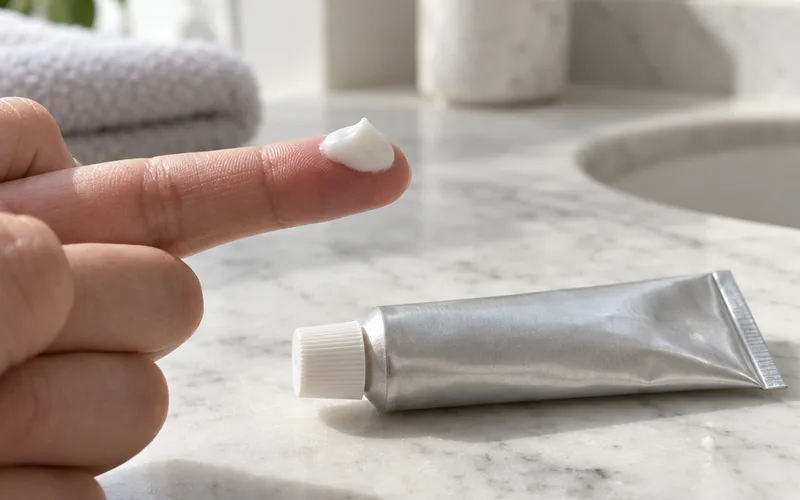
It can also cause redness and peeling, so your doctor will usually start you slowly.
Note: Don’t use tretinoin while pregnant or nursing. Your doctor can explain how tretinoin is dosed, and the same slow-start habits apply when you use retinol at home.
Do Creams, Oils and Home Remedies Work?
Not really, at least not for fading the marks themselves. No store-bought cream or oil has been proven to prevent or remove stretch marks, because they can’t reach the deep layer where the damage sits.
That includes cocoa butter, olive oil, almond oil and coconut oil.
So can aloe vera remove stretch marks? It may soothe the skin, but there’s no good evidence it fades them.
That said, moisturizers still have a job. Formulas with hyaluronic acid or shea butter ease itching, keep skin soft and make marks look less dry and crinkled.
If you want a cream for comfort, start with well-reviewed stretch mark creams and check what Bio-Oil can realistically do before you spend. Add daily sunscreen too, since sun exposure can make marks and scars more noticeable.
Pregnancy Stretch Marks: What’s Safe and When
Pregnancy is one of the most common times for stretch marks to appear. Skip tretinoin until you’ve finished nursing, and save in-office treatments for after the baby arrives.
During pregnancy, your best moves are gentle ones. Gain weight gradually, keep your belly moisturized to calm itching, and build simple habits for avoiding stretch marks during pregnancy.
If you plan to use a cream anyway, think about when to start stretch mark cream, because itching tends to build as your belly grows.
After birth, many marks fade from red to silver on their own. Give them time to settle and see whether your stretch marks go away after pregnancy before you pay for treatment.
Stretch Marks Treatment for Darker Skin Tones
If you have deeper skin, lasers and microneedling carry a higher risk of dark patches as it heals. Doctors call this post-inflammatory hyperpigmentation.
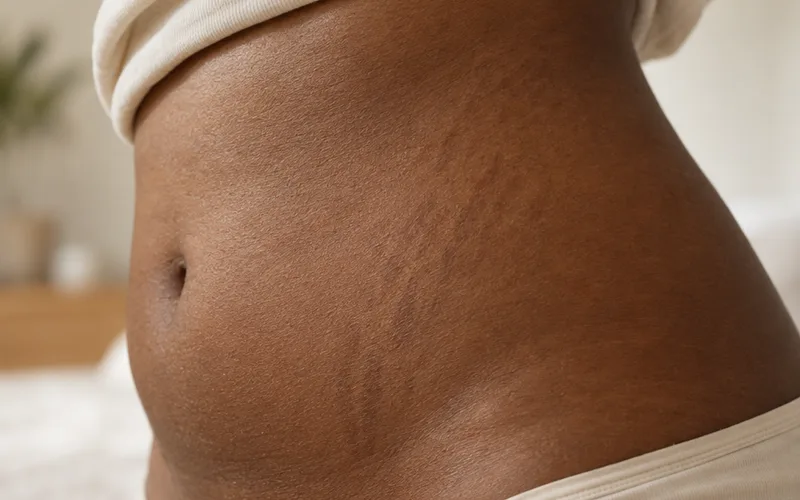
A skilled provider lowers that risk by adjusting device settings and sometimes prepping your skin with creams beforehand. Strict sun protection after each session matters just as much.
Pro Tip: Ask any provider how often they treat skin like yours, and ask to see their own before-and-after photos.
What Results Can You Realistically Expect?
Even the best treatment for stretch marks delivers improvement, not true stretch mark removal. Good results mean marks that are lighter, flatter and narrower, and it often takes several sessions to get there.
Location matters too. Thin belly skin can be harder to treat than thicker skin on the upper arms.
Areas that move a lot, like inner thigh stretch marks, can also respond more slowly.
Your overall health plays a role as well. Smoking, poor blood circulation and lymphatic drainage problems can blunt the skin’s healing response, while good circulation helps it.
How to Choose the Right Treatment for Your Marks
Here’s a simple way to narrow it down:
- Check the color. Red or purple marks are new, so ask a dermatologist about treating them now.
- Set your budget. In-office therapy means several paid visits, so get a price for the full series.
- Factor in timing. If you’re pregnant or nursing, stick with moisturizer for now.
- Pick the right provider. Choose a board-certified dermatologist who treats stretch marks often.
Then fold any at-home care into your daily skincare routine so it actually becomes a habit.
Start With the Marks You Have
The best stretch marks treatment is the one that fits your marks. Think tretinoin for new red lines, and laser or microneedling for older white ones.
Skip the miracle creams, protect your skin from the sun, and book a consult if the marks bother you.
So which option are you going to ask your dermatologist about first?
Frequently Asked Questions
What are the treatment options for muscle stretch marks?
Marks from fast muscle growth are treated like any other stretch marks. Try tretinoin while they’re still red, or ask a dermatologist about laser therapy or microneedling once they’ve turned white.
What is the best cream to prevent stretch marks during pregnancy?
No cream has been shown to reliably prevent stretch marks, because they form deeper than a cream can reach. A plain, fragrance-free moisturizer still helps ease the itch of stretching skin.
Is stretch mark removal covered by insurance?
Usually not, because stretch mark treatments are generally done to change how skin looks rather than to treat a health problem. Ask your insurer and the clinic how a treatment will be billed before you book.
Is coconut oil good for stretch marks?
Coconut oil can keep the skin soft, but no oil has been proven to prevent or fade stretch marks. Use it for comfort if you like it, not as a treatment.
Can retinol reduce stretch marks?
Retinol is a milder, over-the-counter retinoid, so expect a smaller effect than prescription tretinoin, and mainly on newer marks. Skip all retinoids while you’re pregnant or nursing.