
Dark circles can make you look exhausted even after a full night’s sleep. And the fix you see everywhere often does nothing for your type.
Here’s the deal: dark circles aren’t one problem. Some are pigment, some are blood vessels showing through thin skin, and some are simply shadows.
In this guide, I’ll show you how to spot your type and pick the dark circles treatment that fits it, from cheap home steps to a dermatologist’s tools. You’ll also learn what results are realistic, what it roughly costs and when dark circles deserve a doctor’s look.
Let’s dive right in.
What Are Dark Circles Under the Eyes?
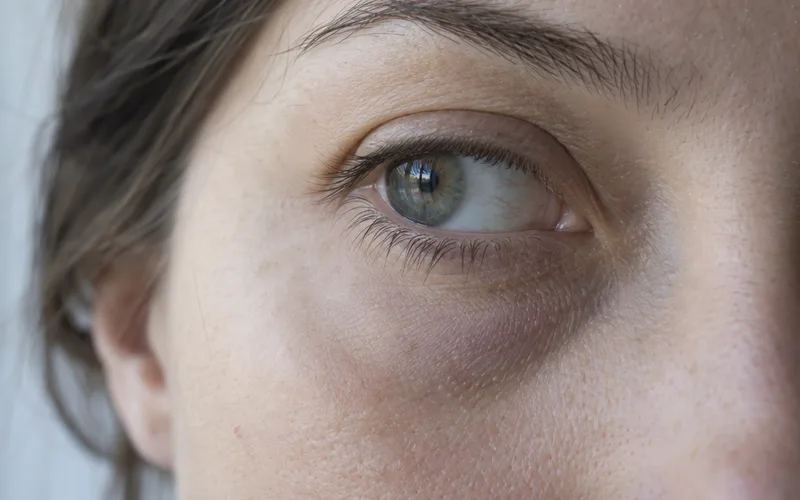
Dark circles under the eyes are patches of skin that look darker than the rest of your face. Doctors may call this periorbital hyperpigmentation, which is a long way of saying the skin around the eye looks darker.
Depending on the cause and your skin color, they can look blue, purple, brown, gray or almost black. On lighter skin they often lean blue or purple, while on medium to deep skin tones they tend to look brown or gray-brown.
Dark circles are different from eye bags, which are swelling or bulging under the eyes. Plenty of people have both, so it helps to know the different kinds of eye bags if puffiness is part of your picture.
The good news? Dark circles are usually a cosmetic concern, not a health problem.
They show up at every age and in every skin type, and they often run in families.
So treatment is mostly about how you want your eyes to look, not about fixing something dangerous. There are a few exceptions, though, and I’ll cover them near the end.
What Causes Dark Circles Under Your Eyes?
Most dark circles have more than one cause. That’s why a single product rarely fixes them, and why knowing your causes is the first step of any treatment plan.
Here are the main drivers.
Extra Pigment
Your skin gets its color from melanin, a pigment made by cells in the skin. When the under-eye area makes extra melanin, you get hyperpigmentation that looks brown or gray-brown.
Sun exposure is a big trigger, because UV light tells your skin to make more pigment. Eczema, irritation and frequent eye rubbing can also leave pigment behind, and this type shows up more often on medium to deep skin tones.
Blood Vessels Showing Through Thin Skin
The skin on your lower eyelid is some of the thinnest skin on your body. When it’s thin, the blood vessels underneath show through and give the area a blue, purple or dusky tone.
This type usually looks worse when you’re tired, sick or congested.
Allergies and sinus trouble can slow microcirculation, the tiny blood flow under the skin, and fluid drainage around the eyes. That congestion makes the vessels look darker.
Shadows From Hollows and Volume Loss
Sometimes the skin isn’t darker at all. Instead, a hollow under the eye casts a shadow that reads as a dark circle.

That hollow is called the tear trough, and it runs from the inner corner of your eye down toward your cheek. With aging, the fat, bones and ligaments around the eye lose volume and gravity pulls tissue down, so the groove deepens and its shadow gets darker.
Puffiness and Fluid
Puffiness creates shadows too. Fluid can collect under your eyes overnight, especially after a salty dinner or a night spent sleeping flat.
Doctors call this kind of swelling edema, and the bulge it creates casts a shadow right below it. Fat pads under the eye can also push forward with age, which is a structural problem that creams won’t move much.
Genetics
Genetics plays a bigger role than most people expect. If your parents have dark circles, you’re more likely to get them too, because deep-set eyes, thin skin and deep hollows run in families.
You can’t change your genes. But knowing they’re involved helps you skip products that promise to fix what’s really your bone structure.
Lifestyle Triggers
Daily habits can make any type of dark circle look worse. The usual suspects include:
- Short or poor-quality sleep
- High stress
- Smoking
- Heavy alcohol consumption
- Not drinking enough water
- Rubbing or scratching your eyes
- A diet heavy in salty, processed food
Diet is one of the easier things to change. If your plate leans on salty, processed foods, that’s a good place to start.
And if you also feel unusually tired or weak, ask your doctor whether a nutrient deficiency such as low iron could be involved.
How to Tell Which Type of Dark Circles You Have
Before you spend money, take two minutes to check your type. You’ll need a mirror, natural daylight and clean skin with no makeup.

Here’s the simple “stretch, tilt and time” check I’d do:
- Look at the color. Brown or gray-brown points to pigment, while blue, purple or pink points to blood vessels.
- Gently stretch the skin. If the color barely changes, pigment is likely the main driver. If it lightens, thin skin and vessels are probably involved.
- Tilt your head and look up at the light. If a dark groove fades or moves as the light changes, you’re seeing a shadow from a hollow or puffiness.
- Notice the timing. If the darkness is worst when you wake up and fades by lunch, fluid is likely part of the story.
Don’t be surprised if you see more than one sign. Mixed dark circles are the norm, so most people end up combining two approaches.
Still not sure? A dermatologist can tell the types apart quickly, and that visit can save you from buying products that were never going to work for you.
The Best Dark Circles Treatment for Each Type
So which is the best treatment for dark circles? It depends entirely on the cause.
Here’s how the options line up:
- Pigmented (brown) circles: daily sunscreen, brightening ingredients like vitamin C and niacinamide, and peels or lasers for stubborn pigment.
- Vascular (blue or purple) circles: cold compresses, allergy care, caffeine eye products, and lasers or treatments that thicken the skin.
- Hollows and tear troughs: hyaluronic acid filler, or fat grafting during surgery.
- Puffiness and fat pads: better sleep and less salt for fluid, and eyelid surgery for fat pads that bulge.
- Mixed circles: a layered plan that starts with habits and an eye cream, then adds an in-office option if you need more.
Notice the pattern? At-home steps work best on pigment, vessels and fluid, while structural problems like hollows and fat pads usually need a professional.
Let’s walk through each option, starting with the cheapest.
At-Home Dark Circles Treatment: What Actually Helps
At-home care won’t erase a deep hollow. But for pigment, vessels and puffiness, these steps can make a visible difference with steady use.
1. Cold Compresses
Cold makes vessels narrow, which can calm puffiness and make vascular circles look lighter for a while. Chilled spoons, a cold damp washcloth or a gel eye mask all work.
Hold the cold against your closed eyes for a few minutes in the morning. Wrap anything from the freezer in a cloth first, since direct ice can irritate thin skin.

A light massage can add to the effect. Using your ring finger, gently press from the inner corner of the eye out toward your temple to move pooled fluid along.
What about cucumbers? Cool cucumber slices help mostly because they’re cold and full of water, and chilled tea bags work the same way with a little caffeine added.
They’re fine to try. Just know that the cold is doing most of the work, so a spoon from the fridge does the job just as well.
2. Better Sleep and an Extra Pillow
Poor sleep makes skin look paler, and paler skin lets dark vessels show through. Aim for a regular bedtime and enough sleep that you wake up rested.
How you sleep matters too. Propping your head on an extra pillow helps keep fluid from pooling under your eyes overnight, which can mean less puffiness in the morning.
3. Sunscreen and Sunglasses Every Day
If your circles are brown, this step is non-negotiable. UV light drives extra melanin, so skipping sunscreen can quietly undo everything else you’re doing.
Apply a broad-spectrum sunscreen to your whole face, including the under-eye area, and add sunglasses and a wide-brim hat outdoors. If the eye area stings easily, learn how to choose sunscreen that suits sensitive skin.
Pro Tip: a tinted mineral sunscreen with iron oxides also blocks visible light, which can help with discoloration on deeper skin tones.
4. Treat Allergies and Keep Your Hands Off
Allergies are a sneaky cause. Congestion can darken the under-eye area, and itchy eyes lead to rubbing, which can leave pigment behind.
If you sneeze, sniffle or deal with itchy eyes often, ask a doctor or pharmacist about allergy care. Then make a habit of patting instead of rubbing, and take off eye makeup gently instead of scrubbing it away.
5. Concealer and Color Correcting
Want your dark circles gone today? Makeup is the only true same-day fix.
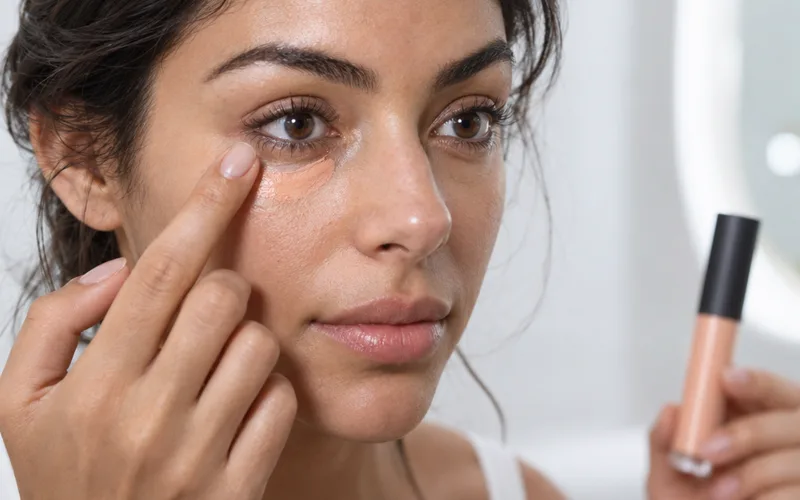
A peach or orange corrector cancels out blue and purple tones, and a concealer that matches your skin finishes the job. Pick a color corrector shade for your skin tone first, then top it with a creamy concealer for dark circles.
Eye Creams and Ingredients Worth Trying
Creams can’t fill a hollow or move a fat pad. But the right ingredients can brighten pigment, firm thin skin and calm puffiness over several weeks.
Here’s what to look for on the label:
- Vitamin C: an antioxidant that brightens dull, uneven tone and supports collagen.
- Niacinamide: a gentle form of vitamin B3 that helps even out pigment and strengthen the skin barrier.
- Retinol: a form of vitamin A that builds collagen over time, which can make thin skin look a little thicker and fine lines and wrinkles softer.
- Caffeine: may temporarily reduce puffiness and make vessels less obvious.
- Hyaluronic acid: pulls water into the skin, so the area looks plumper and smoother.
- Peptides and ceramides: support firmness and the skin barrier, which helps the area handle stronger actives.
Match the ingredient to your type. Brown circles do best with vitamin C, niacinamide and sunscreen, while blue circles and puffiness respond better to caffeine and hydration.
A vitamin C serum and a niacinamide product both fit easily into a morning routine. Retinol and other retinoids belong at night, and you should introduce them slowly.
Note: always choose a formula made for the eye area. Thin skin gets irritated easily, and irritation can actually create more pigment.
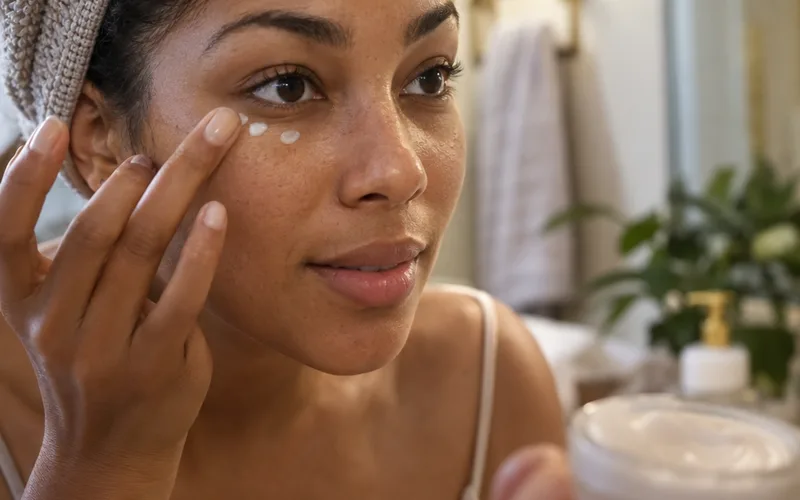
How you apply it matters too. Here’s how to do it:
- Start with clean, dry skin.
- Put a rice-sized amount on your ring finger, which presses more lightly than your other fingers.
- Tap it along the bony rim under your eye, staying below the lash line.
- Let it sink in before you apply sunscreen or concealer.
Then give it time. Creams work slowly, so use one every day for at least a couple of months before you judge it.
Here’s an example of a layered plan: say your circles look brown near the outer corners and bluish near the nose. You’d use sunscreen and a vitamin C or niacinamide eye cream for the brown, then add cold compresses and allergy care for the blue.
What about prescription creams? For stubborn brown pigment, a dermatologist may suggest a bleaching agent like hydroquinone.
Use it only under their guidance, because the skin around your eyes is thin and easy to irritate.
In-Office Treatments From a Dermatologist
If at-home care hasn’t helped after a few months, it’s time to talk to a dermatologist or a plastic surgeon who focuses on facial aesthetics. These treatments cost more, but they reach causes that creams can’t touch.
If you have medium to deep skin, ask how often the provider treats your skin tone. Strong peels and lasers can leave new dark patches on deeper skin tones, called post-inflammatory hyperpigmentation, so the right settings matter.
Here are the main options, from least to most invasive.
Chemical Peels
A chemical peel uses an acid, such as an alpha hydroxy acid, to remove the top layer of skin. As new skin grows back, some of the extra pigment leaves with the old layer.
Peels suit brown, pigment-heavy circles best.
Your doctor will choose a mild strength for the eye area and may suggest a series. Ask what a chemical peel can do for you and how much downtime to plan for.
Laser Treatment
Laser therapy uses focused light energy to target pigment or vessels. Pigment lasers break up extra melanin, while resurfacing lasers trigger new collagen, which can thicken thin skin so vessels show less.
Some noninvasive options, such as pulsed dye and diode lasers, focus on vessels and redness. Laser resurfacing goes deeper into the skin and usually means more downtime.
The catch? Lasers don’t fix volume loss or fat pads.
If shadows are your main problem, a laser alone may leave you disappointed. So learn which lasers suit dark circles before you commit.
Under-Eye Filler
If a hollow tear trough is casting your shadow, filler is the fastest fix. A doctor injects a hyaluronic acid dermal filler into the hollow, which adds volume and puts more space between the skin and the vessels underneath.
Results show up right away with little downtime. Still, this is a treatment where the injector’s skill matters most.

Possible side effects include bruising, swelling, lumps and uneven results. If filler sits too close to the surface, it can also create a bluish tint called the Tyndall effect.
Many experienced injectors use a blunt-tipped cannula instead of a sharp needle to lower the risk of hitting a blood vessel. Ask about that, and ask how often they treat the under-eye area.
Dermal filler isn’t permanent, either. Your body slowly breaks down hyaluronic acid, so plan on touch-ups.
Platelet-Rich Plasma (PRP)
PRP uses your own blood. A small sample is spun in a machine to concentrate the platelets, which carry growth factors, and the result is injected under your eyes.
The goal is skin rejuvenation: more collagen and less thin, crepey skin after a series of sessions. It’s a slower and subtler option, so ask your doctor what results to realistically expect.
Eyelid Surgery (Blepharoplasty)
For dark circles caused by fat pads that bulge, lower eyelid surgery is the most lasting option. In a lower eyelid blepharoplasty, a surgeon removes or repositions fat and trims extra skin to smooth the contour under the eye.
Some surgeons also move fat into a hollow, a technique called fat grafting, so the area looks even. Surgery can be combined with lasers when skin quality is part of the problem.
Here’s the trade-off: surgery means a longer recovery, with swelling and bruising early on and a small risk of scarring. Choose a surgeon board-certified in plastic surgery or a related specialty who does eyelid surgery often.
If puffy bags are your main concern, compare the in-office fixes for under-eye bags before you decide on surgery.
How Much Does Dark Circles Treatment Cost?
Cost depends on the route you take. Prices vary a lot by city, provider and how many sessions you need, so it helps to think in tiers instead of exact numbers:
- Lowest cost: habits, cold compresses, sunscreen and drugstore eye creams.
- Middle: prescription creams and a dermatologist visit.
- Higher: peels, lasers, filler and PRP, which often need several sessions or touch-ups.
- Highest: eyelid surgery, which costs the most up front but tends to last the longest.
My advice? Start at the top of that list and move down only if the cheaper steps don’t help.
Before any procedure, ask for a written quote that includes every session, follow-up and touch-up. Check with your insurer too, since cosmetic treatments often aren’t covered.
Can You Get Rid of Dark Circles Permanently?
Sometimes, but it depends on the cause. Structural problems are the most fixable, because eyelid surgery can remove fat pads for the long term and filler can soften hollows for a good while.

Pigment and vessels are different. You can lighten them a lot, but sun, aging, allergies and short nights can bring them back, so long-term results depend on keeping up the habits.
What About Fast Fixes?
Nothing removes dark circles in two days, despite what some product labels suggest. But a few things do work quickly:
- Concealer and a color corrector hide them in minutes.
- A cold compress can calm puffiness and blue tones for a few hours.
- A good night’s sleep and a low-salt dinner can mean less puffiness the next morning.
Everything else, from eye creams to lasers, takes weeks to months. Treat any overnight promise as a red flag.
How to Prevent Dark Circles From Coming Back
Prevention is mostly the same habits that treat dark circles, done every day. Here’s a simple routine to follow:
- Wear sunscreen on your face and neck every morning, and reapply when you’re outdoors.
- Keep a steady sleep schedule.
- Manage stress in a way that works for you.
- Cut back on alcohol and quit smoking, since smoking speeds up skin aging.
- Drink enough water and go easy on salty food at night.
- Treat allergies early and avoid rubbing your eyes.
Good skin care helps too. Fold a gentle eye cream into your daily skincare routine so it becomes automatic instead of something you remember once a week.
Common Mistakes That Make Dark Circles Worse
Some habits quietly work against you. Watch out for these:
- Scrubbing off eye makeup or sleeping in it
- Using strong face acids or retinoids right up to the lash line
- Skipping sunscreen on cloudy days
- Switching eye creams every week before any of them has time to work
- Expecting a cream to fix a hollow or a fat pad
The last one is the most expensive mistake. If your circles are mostly shadow, money spent on creams is better saved for a consultation.
When to See a Doctor About Dark Circles
Most dark circles are harmless. But book an appointment if you notice any of these:
- Dark circles or swelling under only one eye
- Circles that appear suddenly or get worse quickly
- Other symptoms, such as ongoing itching, redness or scaling around the eyes, frequent sinus problems, shortness of breath or extreme tiredness
- A personal or family history of anemia, thyroid disease or eczema
These signs don’t mean something is wrong. They mean a doctor should rule out an underlying cause, since dark circles can occasionally point to an illness such as anemia or allergies.
For the cosmetic side, a board-certified dermatologist is your best first stop. They can confirm your type, check your skin and build a dark circles treatment plan that fits your budget.

A good dermatologist looks at each patient’s eye area before suggesting anything, so bring a list of what you’ve already tried and how long you used it. Then ask three questions: what type do I have, what will help most, and what results and downtime should I expect?
Kids get dark circles too, often from allergies, eye rubbing or a passing cold. Talk to your child’s doctor if the circles worry you or don’t go away.
Match the Fix to the Cause
The best dark circles treatment isn’t one magic cream. It’s the option that fits your cause: brightening and sun protection for pigment, cold and allergy care for vessels, and filler or surgery for hollows and fat pads.
Start with the cheap habits this week and give an eye cream a fair trial. If you want more, a dermatologist can take it from there.
Which type of dark circles did your mirror check reveal?
Frequently Asked Questions
How can I get rid of dark circles under my eyes?
Start by finding your type, then match the fix. Sunscreen, steady sleep, cold compresses, allergy care and a targeted eye cream help most people, and a dermatologist can add peels, lasers, filler or surgery for stubborn cases.
Do cucumbers really help dark circles?
A little, and mostly because they’re cold and full of water. Chilled slices can calm puffiness for a short time, but they won’t fade pigment or fill a hollow.
What do Koreans do for dark circles?
Korean skin care routines usually lean on the same basics: gentle cleansing, hydrating and brightening eye products, cooling eye patches and daily sunscreen. There’s no secret ingredient, just steady, gentle care.
What vitamins help reduce dark circles?
In skin care, vitamin C brightens tone, niacinamide (a form of vitamin B3) evens out pigment and retinol (a form of vitamin A) builds collagen. If you suspect a deficiency such as low iron, ask your doctor for a blood test before you take supplements.
Which is the best treatment for dark circles?
It depends on the cause. Brown pigment responds to sunscreen, brightening creams, peels or lasers, while hollows respond to filler and bulging fat pads to eyelid surgery.
How do I get rid of dark circles fast?
Color corrector and concealer are the fastest fix, because they work in minutes. A cold compress in the morning and a good night’s sleep can also soften puffiness and blue tones by the next day.
Can dark circles be removed in 2 days?
No. Makeup can hide them right away, but real treatments such as eye creams, peels and lasers take weeks to months to show results.
What is the biggest cause of dark circles?
There isn’t one single cause. Genetics, aging and thin under-eye skin are the most common drivers, followed by sun-driven pigment, allergies and short sleep.