
Most skincare ingredients do one job. Niacinamide handles several at once, and it’s gentle enough that almost anyone can use it.
In this guide, I’ll walk you through the real niacinamide benefits for skin, who gets the most out of them and how to use it without wasting money.
Let’s dive right in.
What Niacinamide Is and What It Does to Your Face
Niacinamide, also known as nicotinamide, is a form of vitamin B3. Your body needs this vitamin to keep cells working, and your skin can use it directly when you apply it topically.
On your face, niacinamide works quietly in the background. It helps your skin hold moisture, calms inflammation and keeps oil in check, so your skin behaves better overall.
That’s why it fits so easily into a simple daily skincare routine.
The 7 Biggest Niacinamide Benefits for Skin
Here’s what steady use can do for you.
1. A Stronger Skin Barrier
Your skin barrier is the outer layer that keeps moisture in and irritants out. It’s built from lipids, the fats that act like mortar between your skin cells.
Niacinamide helps your skin make more ceramides, one of the main lipids in that mortar. A stronger barrier means less dryness and stinging, which matters most if you’re working on skin barrier repair.
2. Less Redness and Irritation
Niacinamide is anti-inflammatory, so it can calm the redness (doctors call it erythema) and blotchiness that make your skin tone look uneven. People with sensitive skin often tolerate it better than stronger active ingredients.
It may even ease redness from skin conditions like rosacea, atopic dermatitis and psoriasis. Still, let a dermatologist guide any rosacea treatment plan, since those conditions need a proper diagnosis first.
3. Less Shine and Smaller-Looking Pores
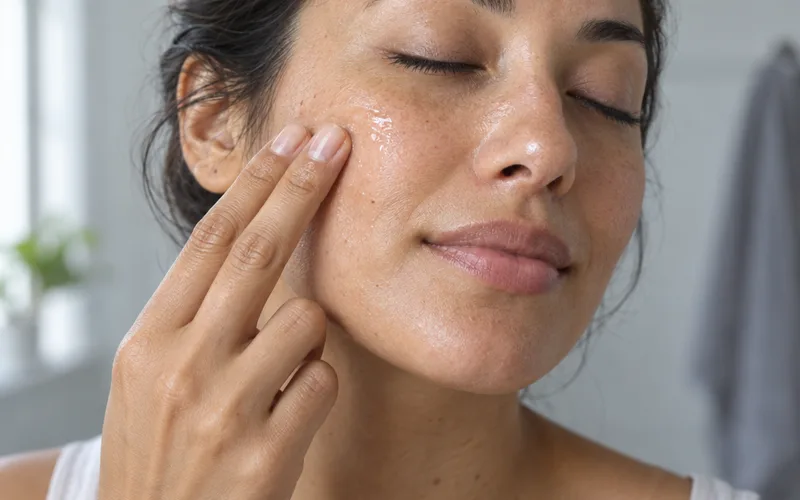
Genetics set your pore size, so no ingredient shrinks pores for good. But niacinamide helps regulate how much oil your sebaceous glands produce, and less oil makes pores look smaller.
The result? A smoother, less shiny complexion by midday.
If your pores also feel bumpy, learn what causes clogged pores first.
4. Faded Dark Marks and a More Even Tone
Dark marks come from extra melanin, the pigment that gives your skin its color. Niacinamide can fade those patches over time, including acne marks, sun spots and other hyperpigmentation.
It won’t change your natural skin color, though. So read “skin whitening” claims as evening out patches, not lightening your whole face.
Note: stubborn spots may need in-office dark spot treatments such as peels or lasers.
5. Softer Fine Lines
Niacinamide supports collagen and keratin, two proteins that keep skin firm and smooth. Paired with better hydration, that can soften fine lines, wrinkles and other signs of aging.
Keep your expectations realistic, though. Niacinamide works gradually, while retinol does more for deeper wrinkles.
6. Antioxidant Protection
UV rays and pollution create free radicals, unstable molecules that cause oxidative stress and wear down healthy skin. Niacinamide acts as an antioxidant and helps your cells cope with that daily stress.
That said, it’s not a replacement for sunscreen. Learn how to choose sunscreen and wear it every morning, even on cloudy days.
7. Support for Acne-Prone Skin
Because it calms inflammation and controls oil, niacinamide can make acne breakouts look less angry. It also helps fade the marks they leave behind.
It won’t replace benzoyl peroxide or salicylic acid. Instead, it works next to them and can ease the dryness those treatments cause.
Who Benefits Most From Niacinamide?
Almost every skin type can use it, but some people notice the difference faster:
- Oily or acne-prone skin: less shine and calmer breakouts.
- Dry skin: a stronger barrier that holds moisture longer.
- Sensitive or red skin: a gentle ingredient that rarely stings.
- Mature skin: smoother texture and a more even tone.
For a closer look, here’s how niacinamide helps dry skin and what it does for oily, shiny skin.
How to Use Niacinamide
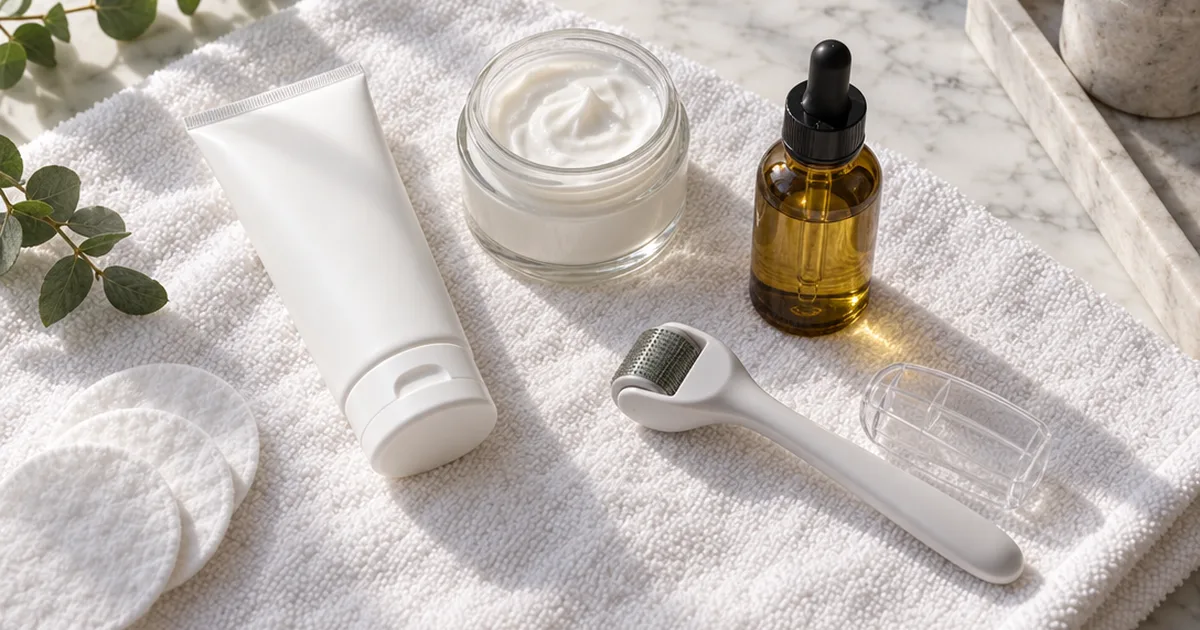
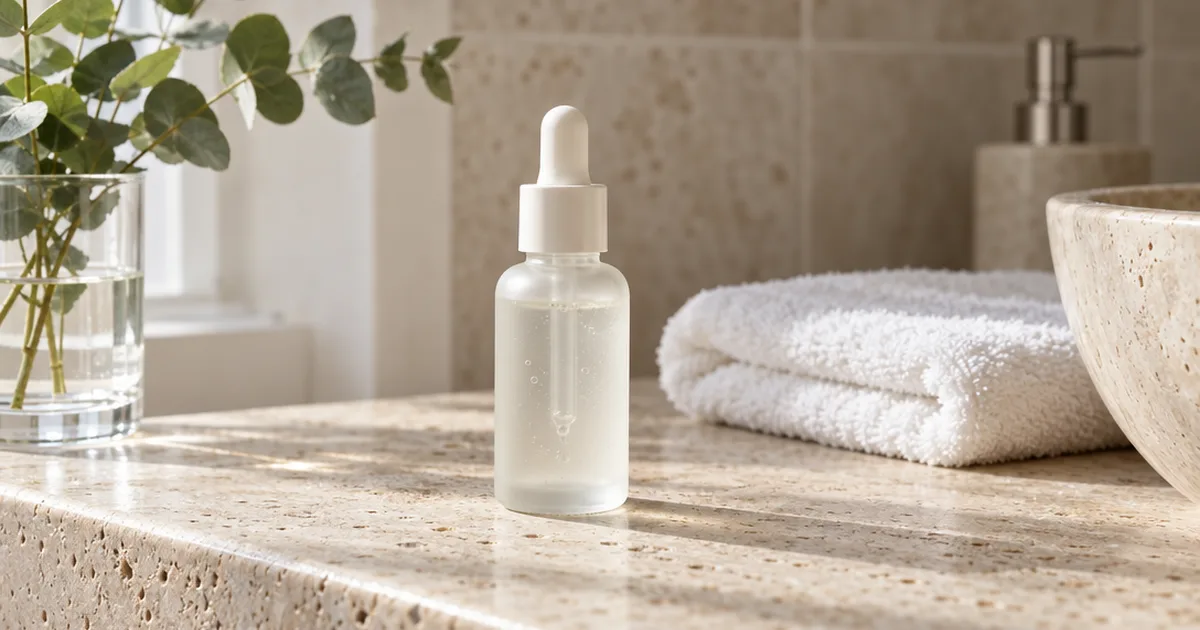
Most people buy niacinamide as an over-the-counter serum, but other skincare products carry it too, including cleansers, toners, moisturizers and creams. A leave-on product gives it more time on your skin than a cleanser you rinse off.
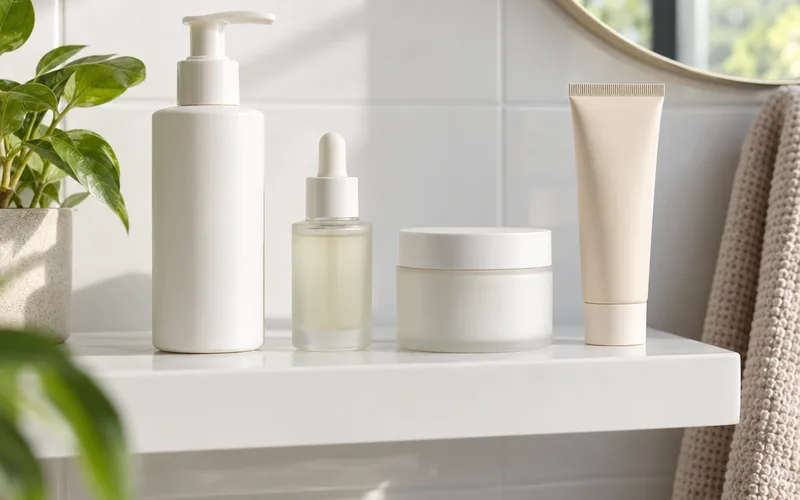
Here’s how to add it to your routine:
- Cleanse your face and pat it dry.
- Apply a few drops of niacinamide serum.
- Follow with moisturizer, then sunscreen in the morning.
You can use it in the morning, at night or both. Pro Tip: if your skin is sensitive, start with a lower concentration and build up to daily use.
Before you buy, compare a few niacinamide serum picks and check each label for the percentage.
Then give it time. Most people need several weeks of steady use before they see a real change.
What Can You Mix With Niacinamide?
Good news: niacinamide plays well with almost everything. Here’s how it pairs with the most common actives:
- Retinol and other retinoids: a great match, because niacinamide can ease retinoid dryness.
- Vitamin C: safe to use together, even in the same routine.
- Hyaluronic acid and peptides: easy partners for extra hydration.
- Exfoliants like AHAs and BHAs: fine, but space them out if your skin gets irritated.
So what cannot mix with niacinamide? Very little.
The real risk is stacking too many strong products, so add one new product at a time.
The retinol vs niacinamide breakdown explains what each one does, and you can check whether to apply niacinamide or retinol first. Niacinamide also shares a morning routine well with vitamin C serum.
Side Effects and How to Avoid Them
Topical niacinamide is gentle, but some people still get redness, itching or mild swelling. Allergies and very sensitive skin raise the odds.
Here’s the simple fix: do a patch test. Apply a small amount to your inner arm, wait a couple of days and watch for irritation before using it on your face.

If irritation sticks around, stop and talk to a dermatologist. You can also read more about niacinamide side effects.
Niacinamide vs Niacin: Food, Pills and Your Skin
Niacinamide and niacin are both forms of vitamin B3, but they’re not the same thing. On ingredient labels, you may see niacinamide listed as nicotinamide.
You also get vitamin B3 from foods like fish, meat and eggs, and a balanced diet gives most people the nutrients they need. But eating more won’t target your face the way a topical product does.
Only take a niacinamide supplement if your doctor recommends one.
Start With One Product
Niacinamide is one of the easiest ingredients to add, because it helps your barrier, oil, redness and tone with little risk.
Pick one serum or moisturizer with it and use it daily for a couple of months.
Which skin concern are you hoping niacinamide will fix first?
Frequently Asked Questions
What products contain niacinamide?
You’ll find it in serums, moisturizers, cleansers, toners, eye creams and some sunscreens. Check the ingredient list for niacinamide or nicotinamide.
Can you use niacinamide under eyes?
Yes, as long as the product is made for the eye area. An eye cream with niacinamide is gentler on that thin skin than a strong face serum.
Can I use niacinamide on my neck?
Yes. Your neck shows dryness, redness and sun spots too, so smooth the rest of your serum or moisturizer down onto it.
What happens if I use niacinamide daily?
For most people, daily use simply means steady results with little fuss. If your skin turns red or itchy, cut back to every other day.
Which is better, retinol or niacinamide?
Neither one wins outright, because they do different jobs. Retinol targets wrinkles and texture, while niacinamide calms, hydrates and evens tone, so many routines use both.