
Your skin can look worse at week 8 even while retinol is working.
A dermatologist’s patient photos show why: under UV light, deeper pigment rises toward the surface before it fades.
So if you judge your retinol before and after pictures too early, you can quit right before the payoff.
Here’s what changes first, what takes most of a year, and how to photograph your progress honestly.
How Long Does Retinol Take to Work?
Retinol takes about 8 weeks to show visible change in most before and after photos, based on what dermatologist Dr. Leslie Baumann sees in patients. She writes that brown spots usually improve around 8 weeks on a routine of retinoids and tyrosinase inhibitors, which slow melanin production.
Why so slow?
Retinol is a form of vitamin A, and your skin converts it to retinal and then retinoic acid. Only then can it act on receptors in your skin cells.
That extra step is one reason retinol is gentler and slower than stronger retinoids. Those include adapalene (Differin) and prescription tazarotene (Tazorac).
Your pace also depends on what you’re treating. Discoloration tends to change first, while fine lines and pores take longer, so the checkpoints spread across most of a year.
That makes the first month mostly about getting your skin comfortable with the ingredient. Plan on giving any new retinol at least 8 weeks of steady use before you decide whether it works.
Retinol Before and After Timeline at a Glance
A retinol before and after timeline runs from a few weeks of adjustment to clearer dark spots by week 16. Pores and redness keep improving to about month 8.
The last three checkpoints come from a dermatologist’s patient reports, not from product promises.
If you want retinol results week by week, here’s how those checkpoints line up:
| Checkpoint | What you may see | What to do |
|---|---|---|
| Weeks 1-4 | Dryness, mild irritation | Use it less often, add moisturizer |
| Around 8 weeks | Brown spots start to improve | Keep going, even if spots look darker |
| 12-16 weeks | Dark spots clear | Take your day 90 and day 120 photos |
| About 8 months | Smaller-looking pores, less redness | Compare against your baseline photo |
The table is a guide, not a guarantee, because your starting skin, product strength and sun habits all change the pace. If you’re still deciding how to start, the steps in how to use retinol cover the first nights.
Retinol Before and After 1 Month: What the First Weeks Look Like
Retinol before and after results at 1 month are usually small, because the first weeks are when your skin adjusts and irritation is most likely. The pigment changes that show up in photos tend to arrive closer to the 8-week mark.
That’s why “retinol transforms skin in 30 days” posts deserve a skeptical look.
You’re more likely to notice dryness, flaking or mild stinging, especially on dry or sensitive skin types. A plain moisturizer with hyaluronic acid helps, applied in the right order.
Breakouts where you don’t usually get acne, a rash, swelling or real pain are symptoms of a reaction, not progress. Stop and see a dermatologist, and check who should skip retinol, including during pregnancy.
A good first month means you use it as planned without exfoliating acids, stinging fades fast and flaking stays mild. If that’s you, you’re on track for the 8-week change.
In other words, a calm month 1 is a win, even if the mirror looks the same.
Why Retinol Can Make Skin Look Worse Before It Gets Better
Retinol can make dark spots look worse around week 8 because deeper pigment moves up toward the surface before it fades. Dr. Baumann notes that a patient’s spots can look worse under UV light at that point even though the deep layers are improving.
That matters if you judge progress from photos.
A UV camera, or even harsh bathroom light, picks up pigment that sits closer to the surface. So a spot can seem darker at the very moment the treatment starts working.
Acne-prone skin can also go through a short “purge,” when blackheads and other clogs surface as breakouts faster than usual. The retinoids for face guide explains how to tell a purge from a reaction.
Key Takeaway: A darker-looking spot at week 8 isn’t proof retinol failed, so keep going and compare again at week 12.
Retinol Before and After 3 Months: Dark Spots and Acne Marks
Retinol before and after results at 3 months usually show the clearest change in dark spots. Dermatologist Dr. Leslie Baumann writes that dark spots can take 12 to 16 weeks to clear.
That puts the 3-month mark right at the start of that window.
For example, sun spots and the flat brown marks pimples leave are both discoloration. Pitted acne scars are different and usually need in-office treatment.
Red or pink marks left by inflammation are different, and post inflammatory erythema needs its own approach.
Vitamin C, an antioxidant, often sits beside retinol in routines aimed at dark spots. If that’s your plan, the vitamin C basics will help you pick one.
Sunscreen matters most here, because sunlight and UV exposure keep feeding the same melanin you’re trying to fade. Choose one you’ll wear daily with help from the sunscreen label checks.
Still seeing the same spots after 16 weeks of steady use?
A board-certified dermatologist can suggest stronger dark spot treatments, such as a chemical peel or laser. The American Academy of Dermatology’s online directory can help you find one.
Retinol Before and After 6 Months to 1 Year
Retinol before and after results at 6 months to 1 year show the biggest overall change in pores, tone and redness. Dr. Baumann shares one patient’s photos after 8 1/2 months on retinol, vitamin C and tyrosinase inhibitors.
Her pores, brown spots, UV spots and facial redness all improved.
That patient started on a low-strength retinol and moved up to a stronger one over time. So her result reflects months of slow, steady steps, not one product used for a few weeks.
What does that mean for you?
The 6- and 12-month photos are the ones that answer whether retinol is worth it. Your skin tone and complexion at that point are the real “after,” and anything earlier is a progress check.
Retinol Before and After for Wrinkles
Retinol softens wrinkles rather than erasing them, and fine lines change slowly. Judge them in your 6- and 12-month photos, not at 3 months.
Most retinoid research on wrinkles looks at sun-aged skin, called photoaging, such as fine lines across your forehead.
Retinoids are linked to faster cell turnover and smoother texture over time. They’re also often described as supporting collagen, the protein in your dermis that keeps skin firm.
That deeper change is why wrinkles need the longest wait.
Does a Stronger Retinol Give Better Results?
A stronger retinoid doesn’t always give better before and after results, but it does tend to cause more irritation.
In a 1995 double-blind study in Archives of Dermatology, 0.1% and 0.025% tretinoin creams improved sun-aged skin about the same. The two strengths caused different amounts of irritation.
Tretinoin is retinoic acid you get by prescription, so the result won’t match drugstore retinol exactly. Still, it points the same way: the concentration you can use for months beats the one that burns.
So if a higher strength leaves you red and flaky, a sign of retinoid dermatitis, stepping down isn’t giving up.
Reactive skin or rosacea? Build a sensitive skin care routine before you reach for a higher percentage.
And when you’re ready to shop, these retinol products dermatologists recommend list their strengths.
How to Take Retinol Before and After Photos That Tell the Truth
Retinol before and after photos are only useful when you take them the same way every time, starting with a baseline before your first night. Dr. Baumann suggests taking your retinol pictures at day 90, day 120, 6 months and 12 months, because retinoids take time to work.
Here’s how to set them up:
- Take your baseline photo before you start, on clean, dry skin with no makeup.
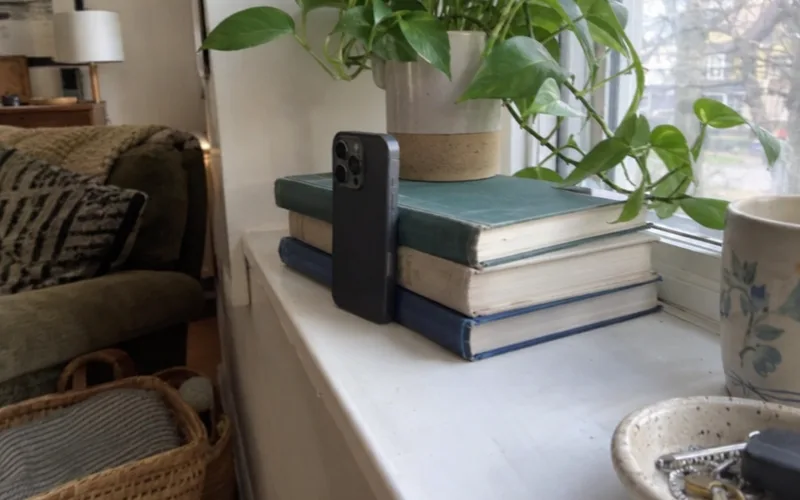
- Stand in the same spot, ideally facing a window in daylight, at the same time of day.
- Use the same phone, distance and angle, and keep a neutral face so lines don’t shift.
- Shoot the front of your face plus each side, since spots and lines often sit at the sides.
- Write down your retinol serum or cream, its active ingredients, its strength and how many nights a week you used it.
That log matters as much as the photos. If one month shows a jump, you’ll know whether you changed the light, the product or the routine.
Why Online Before and After Photos Can Mislead
Online retinol before and after photos are often unreliable because lighting, angle, makeup and editing can create a bigger change than the skincare did. Skincare brand and social posts also tend to show the best result, not the typical one.
Watch for these signs that a photo isn’t a fair comparison:
- The after shot has brighter or warmer light.
- The angle or distance changed, so lines look shallower.
- Makeup, a filter or fresh moisturizer is smoothing the skin.
- The post comes from the brand selling the product.
If two or more show up, treat the photo as an ad. Use other people’s photos as motivation, and let your own baseline and day 90 picture be the forecast.
Your Retinol Plan for the Next 12 Weeks
Retinol rewards patience: the real before and after shows up at 3 months and keeps building past 8 months.
Take your baseline photo tonight, start slowly, and set a phone reminder for day 90.
The anti aging skin care routine shows where retinol fits beside sunscreen and moisturizer.
Frequently Asked Questions
How long does it take to see results with retinol?
Retinol takes about 8 weeks to show visible results for most people, based on dermatologist Dr. Leslie Baumann’s patients, whose brown spots usually improve around that point. Dark spots can take 12 to 16 weeks to clear, and pores and redness keep improving for 8 months or more.
Can you see retinol results in 2 weeks?
Retinol rarely shows a real before and after change in 2 weeks, because the earliest pigment improvement dermatologists report comes at around 8 weeks. A glow at 2 weeks is more likely lighting, hydration or makeup, so take a baseline photo and compare at day 90 instead.
Which retinol is best for anti-aging?
The best retinol for anti-aging is the one your skin tolerates well enough to use for months, not the highest strength. A 1995 study found 0.1% and 0.025% tretinoin creams improved sun-aged skin similarly, with different amounts of irritation.
Is retinol or tretinoin better for before and after results?
Tretinoin is the stronger option, because it’s retinoic acid itself and needs a prescription, while over-the-counter retinol must be converted by your skin first. Both work slowly, so the better choice is the one you can use steadily, and a dermatologist can tell you if you need the prescription.