
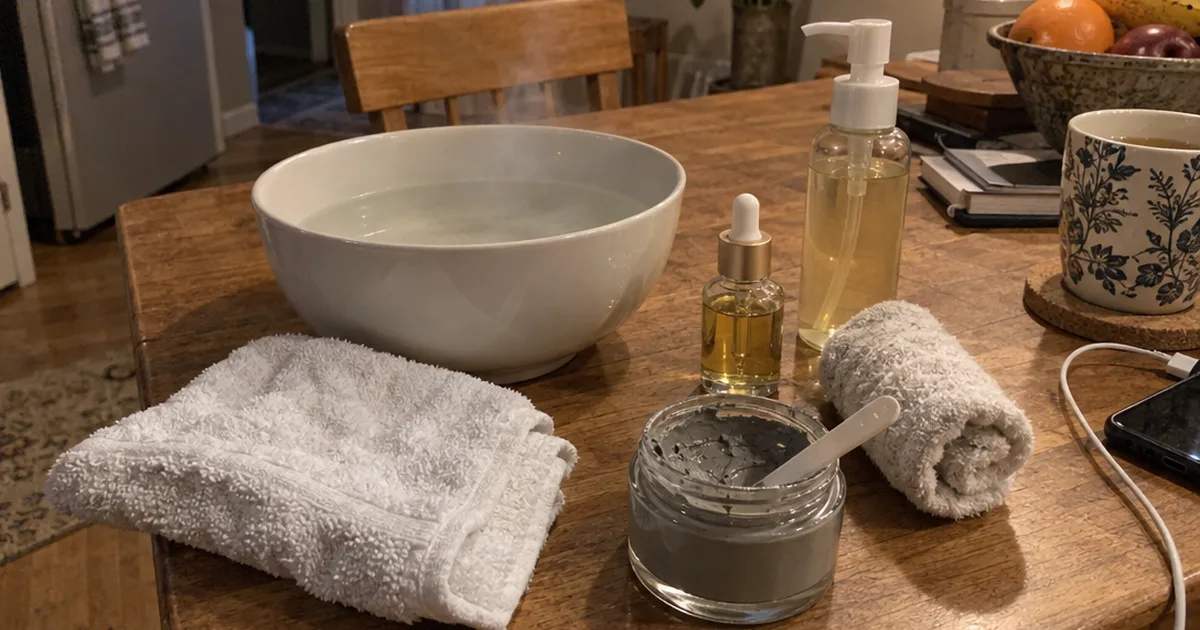
Once a week. That’s how often aestheticians say to give yourself a facial at home.
Every pro Cosmopolitan asked said the same, so a spa-style routine won’t eat your evenings.
Below are 5 at home facial treatments, ranked from the ones almost anyone can do to the ones with the most caveats. Each fits into your regular skincare routine, with quick facts on cost, time and a first step.
- Makeup and sunscreen on your face right now: start with #1.
- For dry, tight skin that never looks dewy, try #3.
- Oily, bumpy skin changes most with #4.
The 5 At Home Facial Treatments, Ranked
The 5 at home facial treatments worth doing are a double cleanse, a facial massage, a face mask, gentle exfoliation and steam. Each is ranked by how many skin types can do it safely.
1. Double Cleanse Your Face
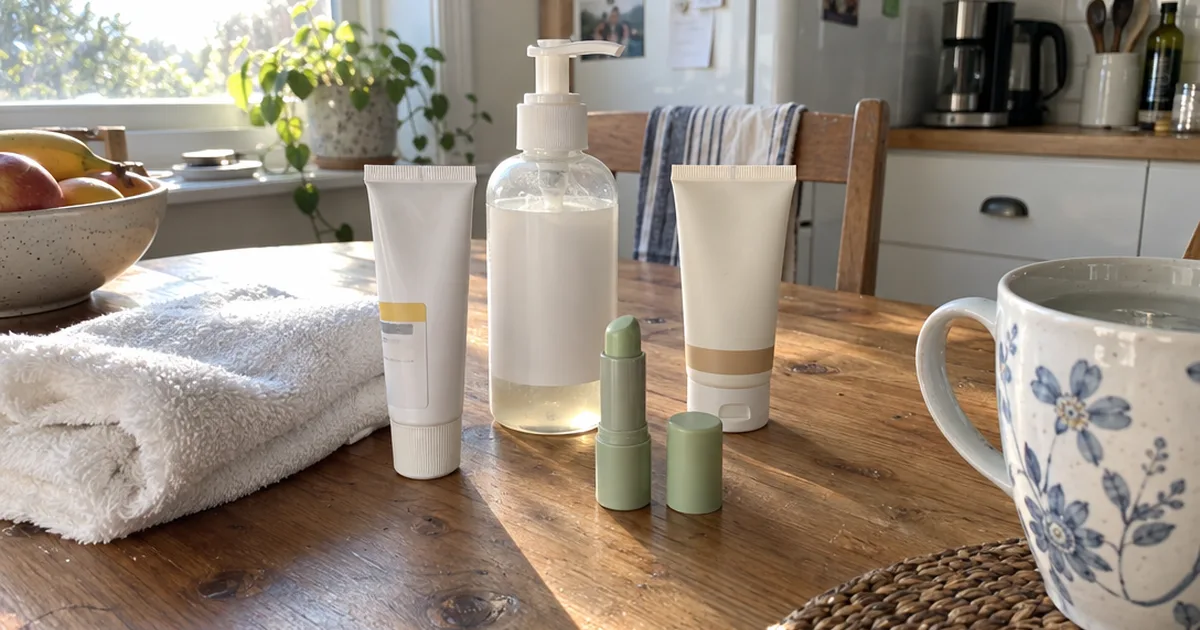
Wash twice: first with a cleansing oil or lotion, then with a gentle gel. The oil breaks down makeup and sunscreen, so the gel can actually clean your skin.
- Best for: anyone who wears makeup or sunscreen. Skip it if one wash already leaves you tight.
- Cost: Free with cleansers you own.
- Payoff: a clean base that lets every later product reach your skin.
- Time: Same day.
- First step: Massage a cleansing oil onto dry skin in small circular motions, then rinse with warm water.
For the second wash, Healthline’s guide suggests a sulfate-free, low-foaming gel that won’t strip your skin’s natural oil.
2. Give Yourself a Facial Massage
A facial massage boosts circulation and lymphatic drainage, which can leave your face less puffy.
- Best for: puffy or dull skin; MedicineNet suggests chamomile oil for sensitive skin. Skip the eye area if you tend to tug.
- Cost: Free.
- Payoff: a de-puffed, dewy complexion the same evening.
- Time: Same day.
- First step: Warm a few drops of facial oil between your fingertips.
Esthetician Stevie McCord tells Healthline to work from the middle of your face outward, always moving upward.
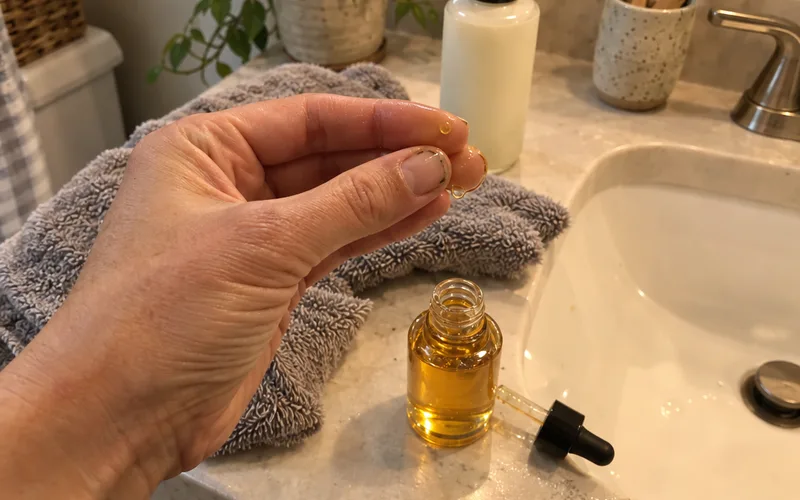
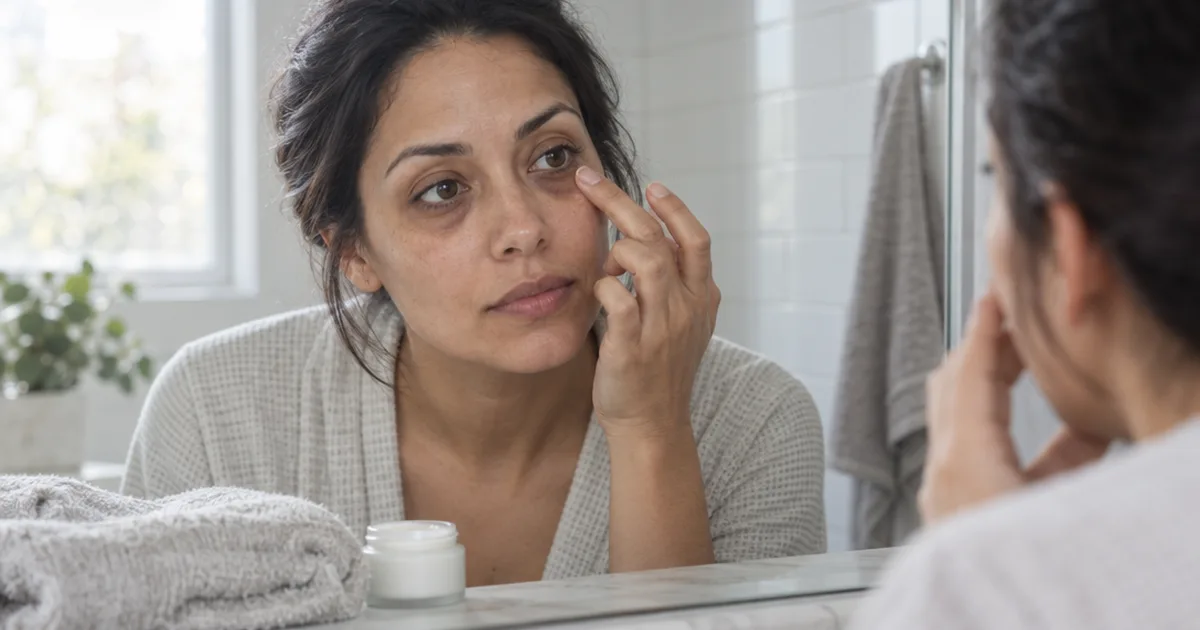
Around your eyes, the skin is thinner, so press gently instead of pulling.
3. Apply a Face Mask for Your Skin Type
A face mask is the treatment you can match most closely to your skin type.
- Best for: every skin type, with the right mask. Skip clay if you’re very dry.
- Cost: Free with yogurt, honey or oatmeal from your kitchen.
- Payoff: calmer, more hydrated skin in one session.
- Time: Same day (10 to 20 minutes).
- First step: Choose clay, gel or cream for your skin.
Here’s the quick mask picker:
- Clay: oily skin and clogged pores.
- Gel: all skin types, especially redness and rosacea.
- Cream or sheet: dry skin.
Whichever you choose, Healthline says to leave it on for 10 to 20 minutes, then wipe it off with a damp washcloth.
4. Exfoliate on a Skin-Type Schedule
Exfoliation clears dead skin cells so your other products absorb properly. The catch is frequency.
- Best for: oily, bumpy or dull skin. Skip extra rounds if your skin is dry.
- Cost: one acid toner or gentle scrub.
- Payoff: smoother texture and a brighter tone.
- Time: This week.
- First step: Check your toner’s label for lactic or glycolic acid.
McCord told Healthline that oily skin can exfoliate four or five times a week, while drier skin should stop at about once. So if your skin runs dry, keep exfoliation to your weekly facial night.
5. Steam Your Face for 5 to 10 Minutes
Facial steam softens the oil in your pores and brings moisture into your skin, but it has the most limits.
- Best for: congested skin. Skip it if you have melasma; ask a dermatologist first.
- Cost: Free with a bowl of hot water and a towel.
- Payoff: softer blackheads and a hydrated look.
- Time: Same day.
- First step: Fill a bowl with hot, not boiling, water.
Drape a towel over your head and hover 6 to 8 inches above the bowl. Healthline is firm on timing: steam for 5 to 10 minutes, because longer risks dehydrating your skin.
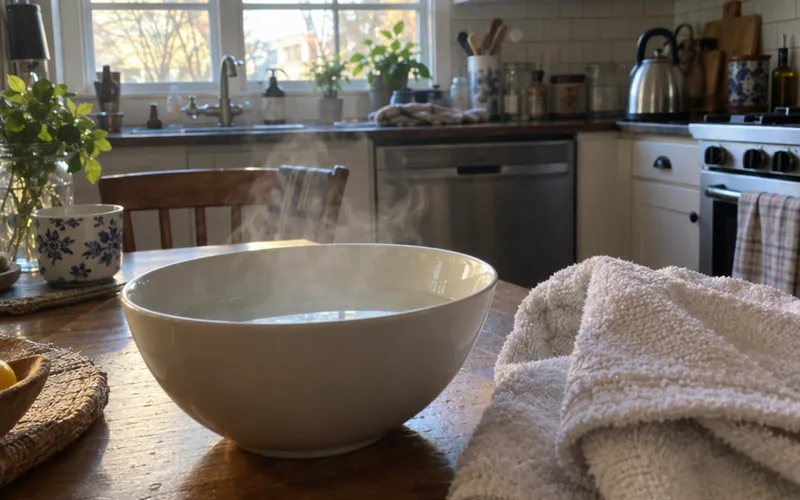
Follow it right away with a mask or moisturizer so your skin doesn’t dry out.
At-Home Facial Devices Worth Knowing About
At-home facial devices include LED masks, microcurrent tools, dermaplaning blades and microneedling rollers. LED masks are the hardest of them to misuse.
Cosmopolitan’s beauty editors say you can’t really overuse LED, so compare real LED face mask results and what each LED light color does before you buy. Microcurrent tones and lifts, Shani Darden says, but only for a while, so save it for a big event.
Dermaplaning is a physical exfoliator, so it replaces #4 on the days you use it. Read up on dermaplaning benefits, how to dermaplane at home and how often to dermaplane first.
Microneedling is the device to research most before you start. See how microneedling at home works and its realistic before and after results.
How to Do a Full Facial at Home, Step by Step
A full at-home facial follows 7 steps: cleanse, exfoliate, steam, mask, serum, moisturize and massage, which is Healthline’s medically reviewed order with extractions left out.
- Double cleanse.
- Exfoliate with an acid, a scrub or both.
- Steam for 5 to 10 minutes.
- Mask for 10 to 20 minutes.
- Press in a serum, like vitamin C for hyperpigmentation or niacinamide for redness.
- Moisturize, lighter for oily skin.
- Massage upward with facial oil.
Do it at night, when Renée Rouleau tells Healthline your skin is in repair mode and readier to accept extra care.
How Often to Do an At-Home Facial
An at-home facial works best once a week, the schedule every aesthetician Cosmopolitan asked gave. Aestheticians Sofie Pavitt, Edyta Jarosz and Shani Darden add a pro facial every 4 to 6 weeks.
So pick one night a week and keep your daily routine simple in between.
Why You Should Skip Extractions at Home
Extractions are the one facial step to leave to a pro, aesthetician Edyta Jarosz tells Cosmopolitan. Done badly, she warns, extractions can lead to scarring and infection.
MedicineNet also tells beginners to skip extraction tools.
Instead, let steam, exfoliation and a clay mask loosen clogged pores for you.
Frequently Asked Questions
What is the best at-home facial treatment?
The double cleanse is the best at-home facial treatment to start with, because nearly every skin type can do it with a cleanser you already own. Add a mask once that feels easy.
How do you get a facial glow at home?
A facial glow at home comes from exfoliating away dead skin cells, then masking and moisturizing so the fresh skin stays hydrated.
Is an at-home facial as good as a professional facial?
An at-home facial keeps your skin on track between appointments but doesn’t replace a professional one. Aestheticians Sofie Pavitt, Edyta Jarosz and Shani Darden told Cosmopolitan a professional facial every 4 to 6 weeks is ideal.
Final Thoughts
A good at-home facial is a few simple treatments, done in order, once a week. Start with a double cleanse and a 10-minute mask this weekend, then add exfoliation and steam once you know how your skin reacts.