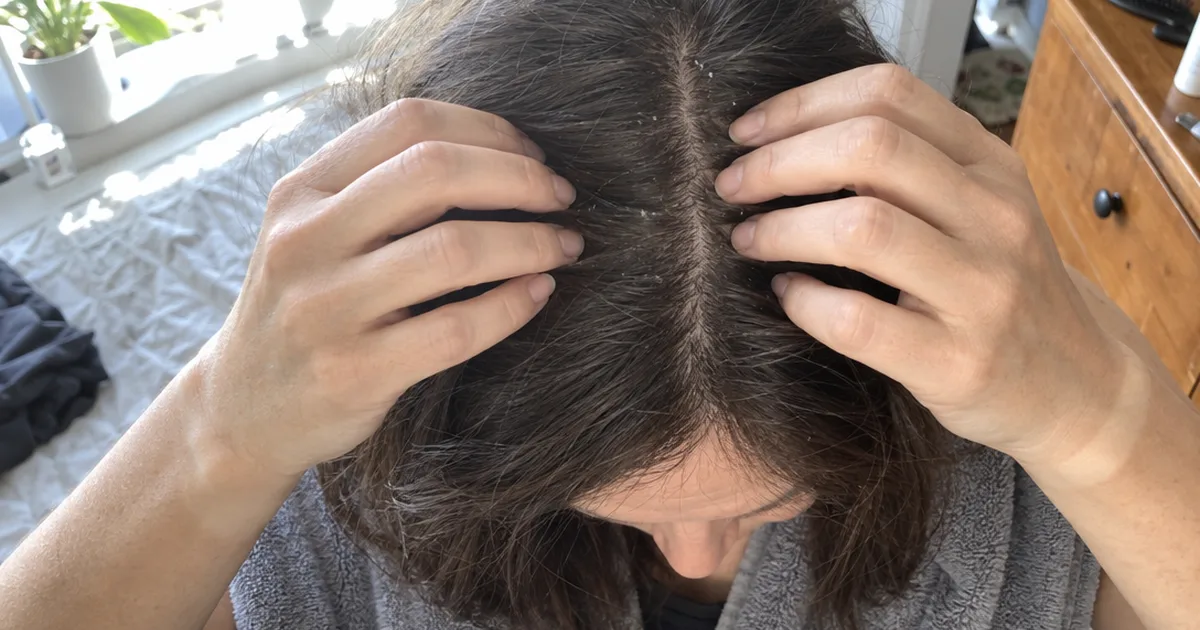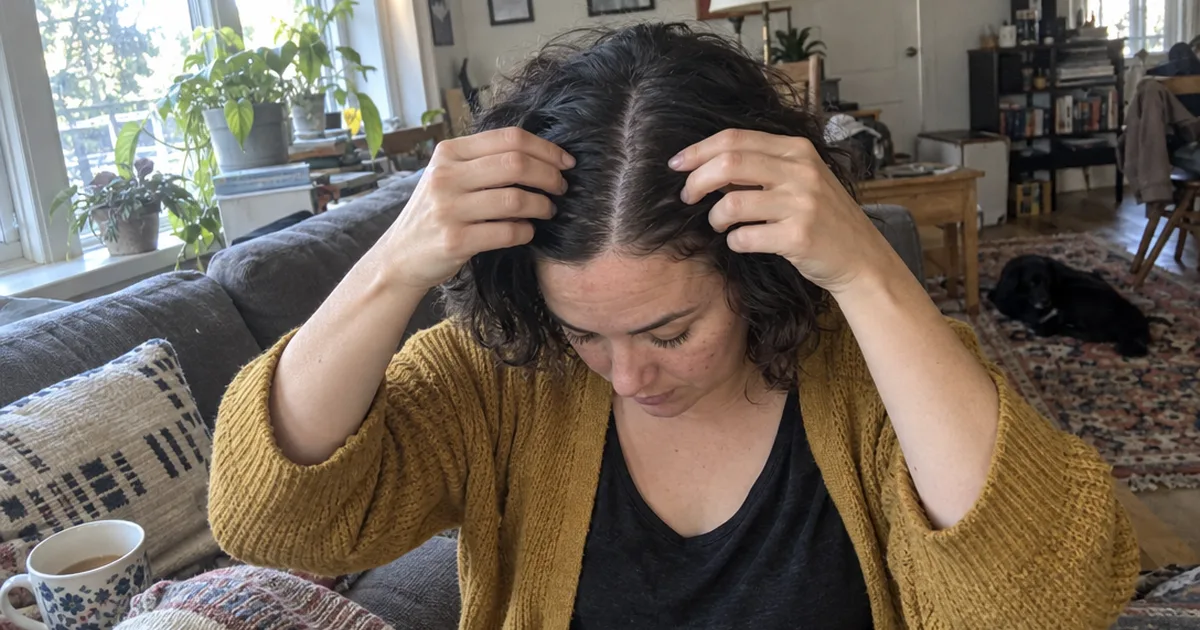

A crash diet can make your hair fall out up to 6 months later.
Harvard Health Publishing puts the lag at 1 to 6 months, which makes the real cause easy to miss.
So which vitamin deficiency causes hair loss? A short list of nutrients has solid evidence behind it, a few are mostly marketing, and taking too much of some can backfire.
Below, each nutrient gets an honest evidence grade, plus the exact blood tests to ask for before you spend money on a supplement.
Which Vitamin Deficiency Causes Hair Loss?
Vitamin D deficiency has the strongest link to hair loss of any vitamin, and low iron, a mineral, is the other big one. A 2018 review in Dermatology and Therapy says to supplement both when your levels are low.
That review pulled together 125 published studies on vitamins, minerals and hair loss.
It found that only riboflavin, biotin, folate and vitamin B12 deficiencies have been linked to hair loss among the B vitamins. The rest of the B group has no known link.
Here’s how the main nutrients compare, based on that review:
| Nutrient | Linked to hair loss? | Supplement if low? |
|---|---|---|
| Vitamin D | Yes | Yes |
| Iron (mineral) | Yes | Yes, with vitamin C |
| Vitamin B12 | Yes | Not enough data |
| Folate | Yes | Not enough data |
| Riboflavin (B2) | Yes, very rare | Not enough data |
| Biotin (B7) | Yes, very rare | Not supported |
| Zinc | Mixed evidence | Not enough data |
In other words, “linked” is not the same as “a pill will fix it.”
Only vitamin D and iron earn a clear yes in both columns. For everything else, you need a blood test before a supplement makes sense.
How Vitamin Deficiency Hair Loss Works
Vitamin deficiency hair loss often shows up as telogen effluvium: diffuse shedding all over your scalp, not bald patches. Your scalp holds about 100,000 hair follicles, and each one needs a steady supply of nutrients to keep growing.
Telogen effluvium means more hairs than normal switch from growing to resting, then fall out together.
Why are follicles so sensitive? The cells at the root of each hair divide very fast.
The 2018 review says vitamins and minerals play a major role in that turnover. Each new hair is made mostly of keratin, a protein, so those cells need a steady supply of raw materials.
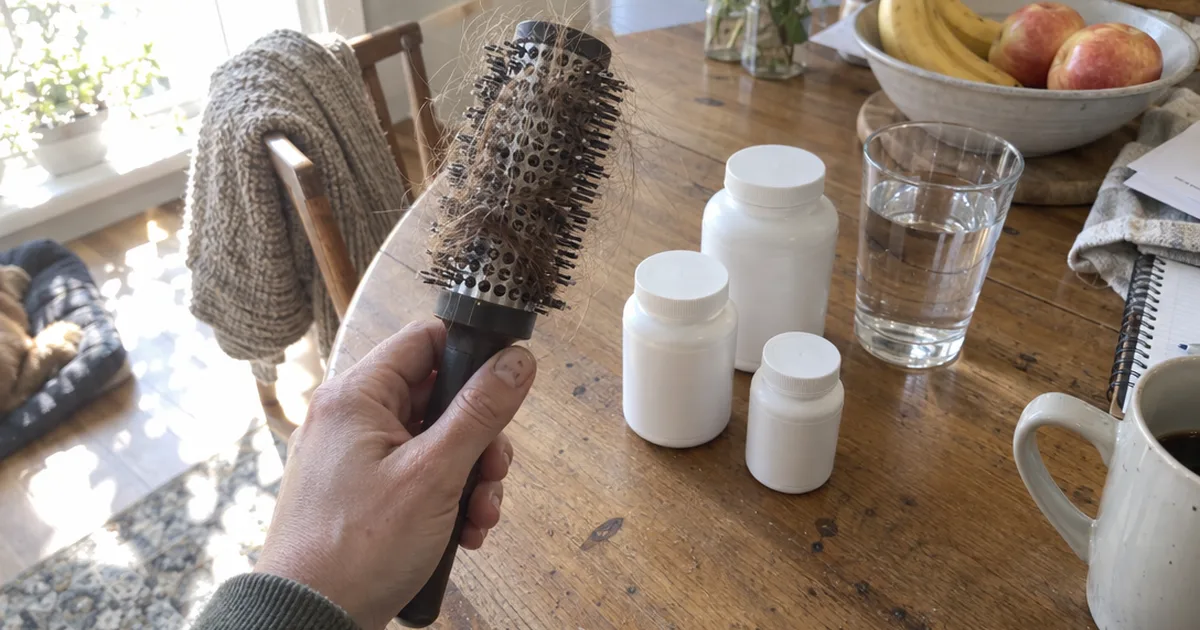
What does that look like? You might notice more hair in the shower drain, on your brush and on your pillow, with a part that looks wider.
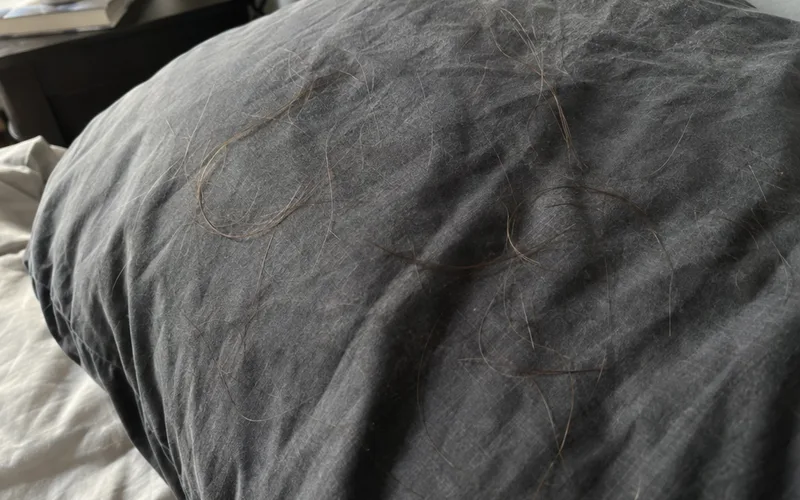
The timing is what trips people up. According to Harvard’s guide, shedding hits one to six months after a major stressor, and crash diets, surgery, illness and pregnancy all count.
So if your hair started falling out in June, look back to what happened between January and May.
The good news?
Telogen effluvium is a non-scarring type of hair loss, so the follicle isn’t damaged. Harvard’s guide notes that about 73% of all hair loss falls into this non-scarring group, where regrowth is possible with time and the right treatment.
Vitamin D Deficiency and Hair Loss
Vitamin D deficiency can cause hair loss, because your body needs vitamin D to make the cells that grow into new follicles, Harvard Health Publishing says. Low vitamin D shows up in diffuse shedding and in alopecia areata, an autoimmune type of patchy hair loss.
The 2018 review backs that alopecia areata link.
It also found that fixing low vitamin D can ease androgenetic alopecia and telogen effluvium. The first one is pattern thinning, and in women it usually shows up as a wider part.
So vitamin D is worth checking if you’re shedding.
But the review’s advice covers people who are actually low. Taking extra vitamin D when your level is normal has no proven hair benefit, and the authors say large trials are still needed.
If your hair is falling out in round patches, see a doctor rather than starting vitamin D on your own.
Patches can mean alopecia areata, and that needs a proper diagnosis. Harvard’s guide adds that it’s more common in people with thyroid problems.
Iron Deficiency and Hair Loss in Women
Iron deficiency can cause hair loss because iron carries oxygen to your hair follicles so hair can grow. Low iron is also more common in women with shedding.
Iron is a mineral, not a vitamin, but it’s the one nutrient the evidence flags for women. If you have pattern thinning or telogen effluvium and low iron levels (more commonly seen in females), the 2018 review recommends iron supplements.
So if you’re a woman with new shedding, iron is the first number to check.
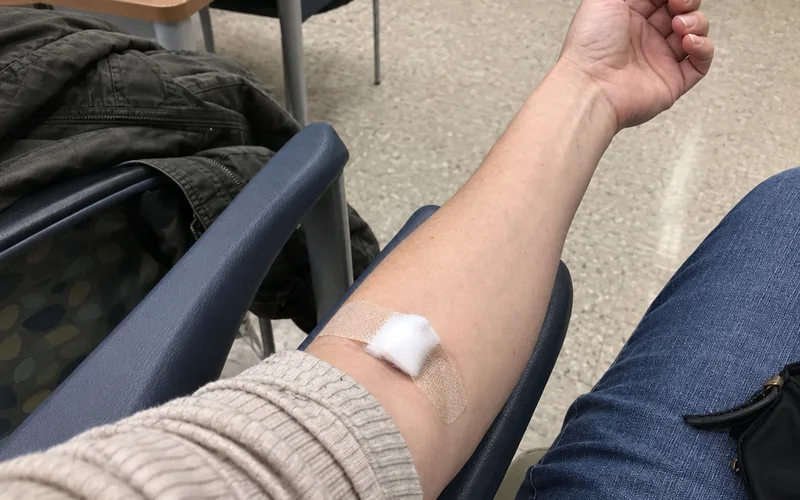
A plain anemia test isn’t always enough, so your doctor may also check ferritin, the protein that stores iron in your body.
Two rules keep iron safe:
- Take it only when a blood test confirms you’re low.
- Pair it with vitamin C, which your body needs to absorb iron from food.
Note: Harvard warns that too much iron is toxic, so take supplements exactly as your doctor prescribes.
The B Vitamins: B12, Folate, Riboflavin and Biotin
Four B vitamins are linked to hair loss when you’re deficient: B12, folate (B9), riboflavin (B2) and biotin (B7), according to the 2018 review. The review also found there isn’t enough data yet to recommend B12, folate or riboflavin supplements for hair loss.
That surprises a lot of people, because B vitamins fill the hair aisle.
Vitamin B12
Vitamin B12 deficiency is linked to hair loss, and B12 helps your body make the red blood cells that deliver oxygen to your follicles.
B12 comes mainly from animal foods, so if you don’t eat meat, fish, eggs or dairy, put B12 on your blood test list.
B12 also matters for hair color. The review ties iron, vitamin D, folate, B12 and selenium to early graying, one of the causes of gray hair in your 20s.
Folate and Riboflavin
Folate and riboflavin deficiencies are both linked to hair loss, but riboflavin deficiency is extremely rare in the U.S., according to the review.
So folate is the one most readers should actually test, alongside B12.
Biotin: Why the Pill Rarely Helps
Biotin is the best-known hair vitamin, but the 2018 review says severe biotin deficiency has never been reported in healthy people on a normal diet. The same review found no support for biotin supplements as a treatment for pattern thinning or telogen effluvium.
Adults need about 30 mcg of biotin a day, and many hair, skin and nail supplements pack far more than that.

That extra biotin isn’t harmless.
High doses can throw off lab results, including thyroid and hormone tests, Harvard’s guide warns. The review even lists the B12 test among those biotin can skew.
In one case reported by the FDA, biotin caused a falsely low troponin result, and a heart attack was missed.
Key Takeaway: Tell your doctor about any biotin you take before you get blood drawn.
Zinc, Vitamin C and Other Nutrients
Zinc deficiency is linked to hair loss in some studies, but the 2018 review found too little data to recommend zinc supplements. Vitamin C doesn’t cause hair loss on its own, but it controls how much iron you absorb.
Harvard’s guide calls the zinc evidence conflicting, too. The quick version:
- Zinc: Worth testing if you’re shedding, but treat it only if you’re low.
- Vitamin C: Matters mostly when your iron is low, since you need it to absorb iron from food.
- Vitamin E: The review found no support for vitamin E pills for pattern thinning or shedding.
That leaves zinc in the “test, don’t guess” pile.
When Too Much of a Vitamin Causes Hair Loss
Too much vitamin A or selenium can cause hair loss, according to Harvard Health Publishing, and too much iron is toxic. So the supplement you bought to save your hair can be the reason it’s falling out.
The 2018 review describes a 1979 case that shows how this plays out. A woman on dialysis took a 5,000 IU vitamin A supplement every day, and her blood levels ran well above normal.
She started losing hair. One month after she stopped the supplement, the hair loss was no longer a problem.

Check your labels for these 3 things:
- Add up vitamin A across every pill you take, including multivitamins and “hair, skin and nails” blends. The review puts the adult daily limit at about 10,000 IU.
- Look for selenium in the same blends, since the review links too much selenium to hair loss too.
- Stop doubling up on iron unless a doctor prescribed both products.
In other words, more is not better when it comes to hair vitamins.
How to Test for a Vitamin Deficiency Causing Hair Loss
The only reliable way to test for a vitamin deficiency causing hair loss is a blood test ordered by your doctor or a dermatologist. Testing first tells you whether a supplement will help or just add to the problem.
To get the most out of one appointment:
- Write down when the shedding started and what happened 1 to 6 months before it.
- List each supplement you take and its dose, biotin too.
- Ask for the tests that match the evidence: iron and ferritin, vitamin D, vitamin B12 and folate.
- Ask whether a thyroid test makes sense too, since hormonal changes are another common cause of hair loss.
Here’s what to say:
“My hair has been shedding more than usual since [month]. Could we check my ferritin, iron, vitamin D, B12 and folate, and my thyroid? I take [supplements], including biotin.”
That script covers every nutrient with real evidence behind it.
If your scalp itches, flakes or burns, mention that too. Those signs point to a scalp problem rather than a deficiency, and a simple scalp care routine helps more than a vitamin.
Will Hair Grow Back After Fixing a Vitamin Deficiency?
Hair can grow back after you fix a true vitamin deficiency, because nutrient-related shedding is non-scarring, so the follicle can start a new hair. Regrowth takes time, though, and Harvard’s guide warns that nutrient shortfalls are rarely the only cause of hair loss.
That second point matters.
The most common type of hair loss in women and men is androgenetic alopecia, which is inherited, and vitamins won’t reverse it.
So if your labs come back normal, or your hair keeps thinning after your levels recover, look at other causes next. Harvard’s list includes stress, pregnancy, certain medicines, fast weight loss and hormone changes.
Hormone shifts behind hair loss are a common one for women, so they’re worth ruling out early.
A dermatologist can then walk you through hair loss treatments for women, from topical options to minoxidil’s side effects and what to expect.
While you wait for new growth, a gentle hair care routine for growth protects the hair you have.
What to Eat When Your Hair Lacks Nutrients
A balanced diet covers the nutrient needs of most people, according to Harvard Health Publishing, and it’s the safest way to support hair growth. The one food trick with real backing is pairing iron-rich foods with a vitamin C source, since vitamin C helps you absorb iron.
For example, have beans or red meat with peppers, tomatoes or citrus at the same meal.
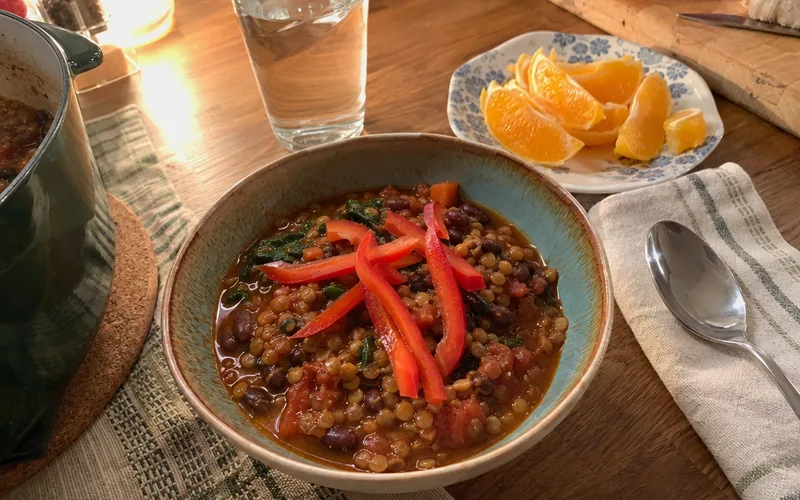
And skip the crash diet. The review notes that a severe cut in carbs can cause hair loss on its own.
If you’re vegan, add a B12 source from fortified foods or a supplement your doctor approves.
A short list of foods that help prevent hair loss is an easy place to start your weekly meals.
Then keep the rest of your everyday hair care routine gentle, so breakage doesn’t add to the shedding.
The Bottom Line
The vitamin deficiencies most tied to hair loss are vitamin D and, if you count minerals, iron.
Biotin and zinc get the hype, but the evidence is thin.
This week, book a blood test for iron, ferritin, vitamin D, B12 and folate before you buy another hair supplement.
Frequently Asked Questions
Can iron deficiency cause hair loss?
Yes, iron deficiency can cause hair loss, because iron carries oxygen to your hair follicles, and a 2018 review in Dermatology and Therapy recommends iron supplements when shedding comes with low iron levels. Get the low level confirmed with a blood test first, since too much iron is toxic.
Which vitamin deficiency causes hair loss and white hair?
Low iron, vitamin D, folate, vitamin B12 and selenium may be involved in hair graying during childhood or early adulthood, according to a 2018 review of 125 studies. The same review says correcting those shortfalls can improve premature graying, so a blood test is the right first step.
What is telogen effluvium hair loss?
Telogen effluvium is sudden, all-over hair shedding that starts one to six months after a major stressor such as a crash diet, surgery, illness or pregnancy, according to Harvard Health Publishing. It doesn’t scar the follicle, so the hair can regrow once the trigger is fixed.
How does zinc help hair grow?
Zinc helps hair grow mainly by supporting the fast-dividing cells in your hair follicles, but a 2018 dermatology review found too little data to recommend zinc supplements for hair loss, even in people who are low. Get your zinc level checked before you take it.
What should I eat to stop hair fall?
To stop hair fall caused by a nutrient gap, eat a balanced diet with enough protein, iron-rich foods and a vitamin C source at the same meal, since vitamin C helps you absorb iron. Food can’t fix hair loss from genetics or hormones, so test first if the shedding keeps going.
What does vitamin D hair loss look like?
Vitamin D hair loss can look like extra shedding or thinning all over your scalp, and low vitamin D is also linked with alopecia areata, which causes round patches of hair loss. Patches need a doctor’s exam, because alopecia areata is an autoimmune condition.
Which vitamin deficiency causes hair loss in females?
Iron deficiency is the shortfall a 2018 dermatology review flags for females, noting that low iron is more commonly seen in women with shedding or pattern thinning. Vitamin D, B12 and folate are worth checking too, so ask for all of them on one blood draw.