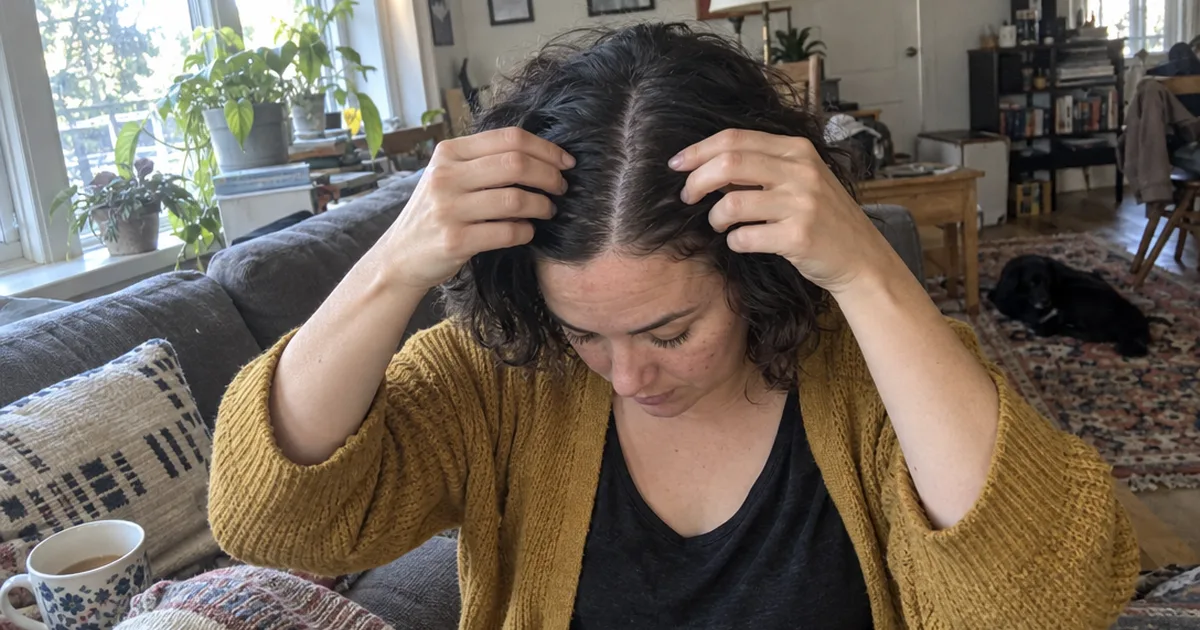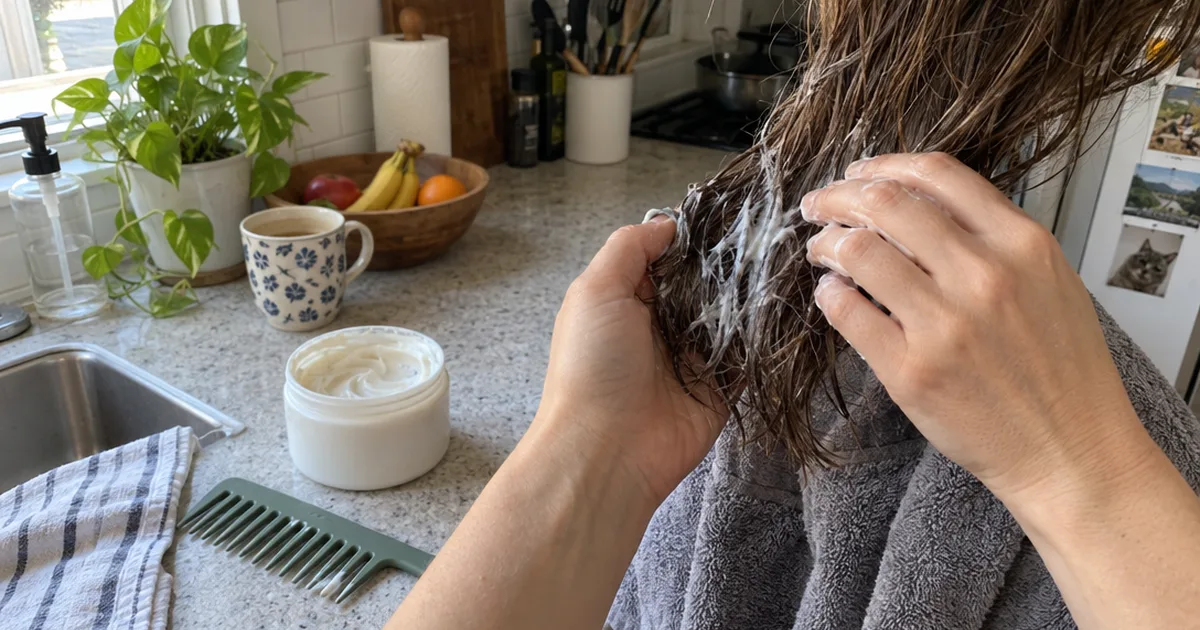

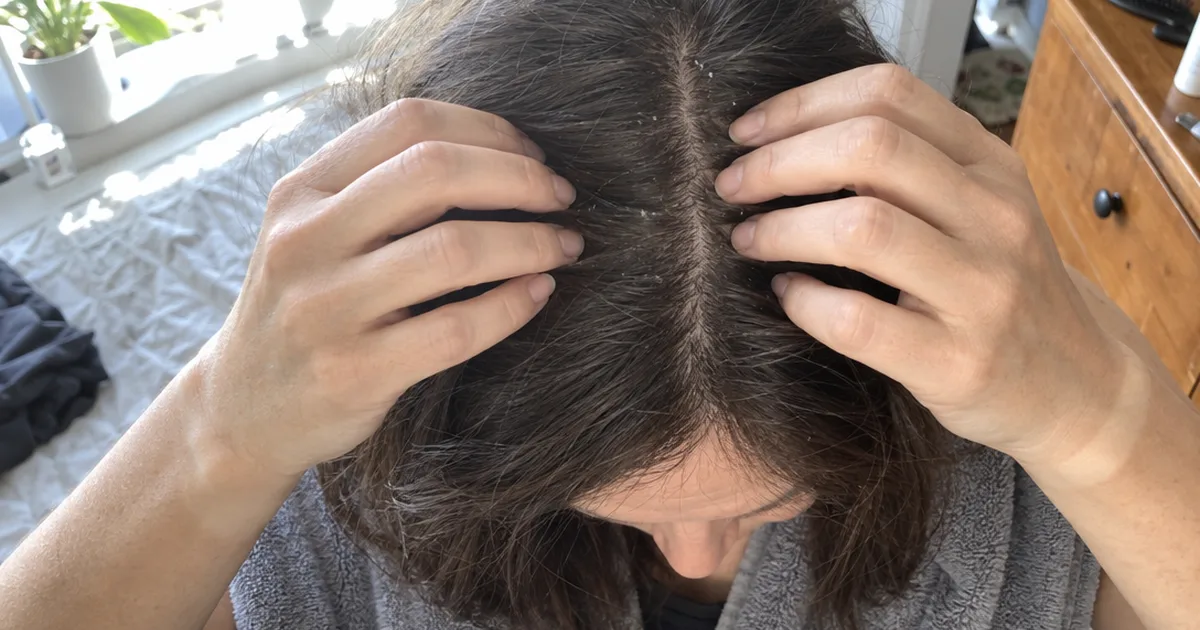
Telling dry scalp from dandruff can take 1 night and a dab of moisturizer.
If the flakes are gone after your morning shower, you were dealing with a dry scalp, a Healthline guide updated November 4, 2026 explains.
That matters, because dry scalp vs dandruff calls for different fixes, and the wrong shampoo can keep you flaking.
Below, you’ll compare the 2 side by side, check 3 clues, and match each one to the shampoo ingredient that fits.
Short on time? Match your scalp:
- Tiny white flakes, a tight scalp and dry shins: likely dry scalp, so start with a gentle shampoo.
- Bigger, greasy, yellowish flakes on a red scalp point to dandruff and a medicated shampoo.
- Thick patches, a painful scalp, or a month of dandruff shampoo with no change? See a dermatologist.
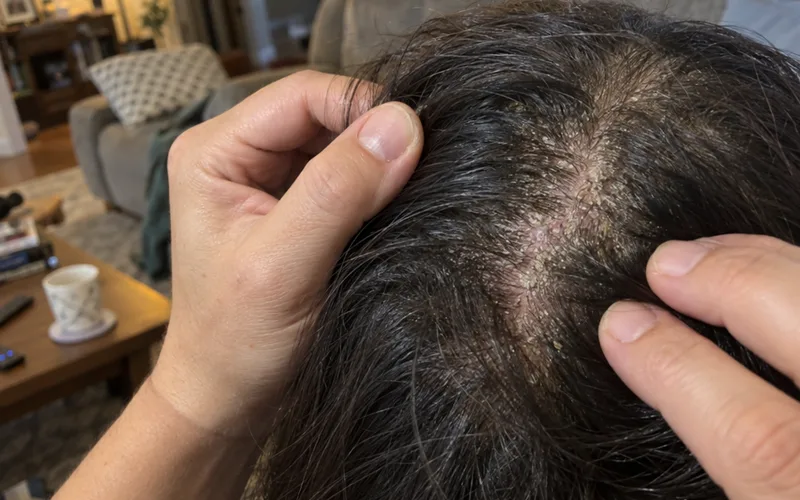
Dry Scalp vs Dandruff at a Glance
Dry scalp is caused by skin losing moisture, often from cold, dry air or harsh hair products, while dandruff is caused by excess scalp oil and Malassezia yeast. Here’s how the 2 compare side by side:
| Category | Dry Scalp | Dandruff |
|---|---|---|
| Main cause | Loss of moisture | Excess oil and Malassezia yeast |
| Flakes | Smaller and drier | Bigger and oily, white or yellow |
| Scalp | Itchy, not inflamed | Can look red, oily and scaly |
| Dry skin elsewhere | Common | Not one of its signs |
| Common triggers | Cold, dry air and harsh products | Stress, hormones and age |
| First fix | Gentle, non-medicated shampoo | Medicated dandruff shampoo |
| Outlook | Usually easily treated | Managed long term, not cured |
So the flakes and the feel of your scalp are the clues you can check today.
What Is Dry Scalp?
Dry scalp is itchy, flaking skin on your head that happens when your scalp loses too much moisture, much like dry skin on your arms or legs. If your scalp is dry, the rest of your body may be dry too, the Cleveland Clinic health library notes.
That page was medically reviewed and last updated June 22, 2022, and it names the usual triggers.
Environmental factors such as cold climates and low-humidity air can dry out the skin on your scalp. Many hair care products strip your natural oils and cause irritation, and shampoo you don’t rinse out can do the same.

When a product sets off that kind of reaction, it’s a form of contact dermatitis. So if the itch started right after a new styling gel or hairspray, that product is your first suspect.
In other words, dry scalp is a skin-moisture problem, not a yeast problem.
What Is Dandruff?
Dandruff is flaking that happens when excess oil and an overgrowth of Malassezia, a yeast that normally lives on your scalp, make skin cells multiply and shed faster than usual.
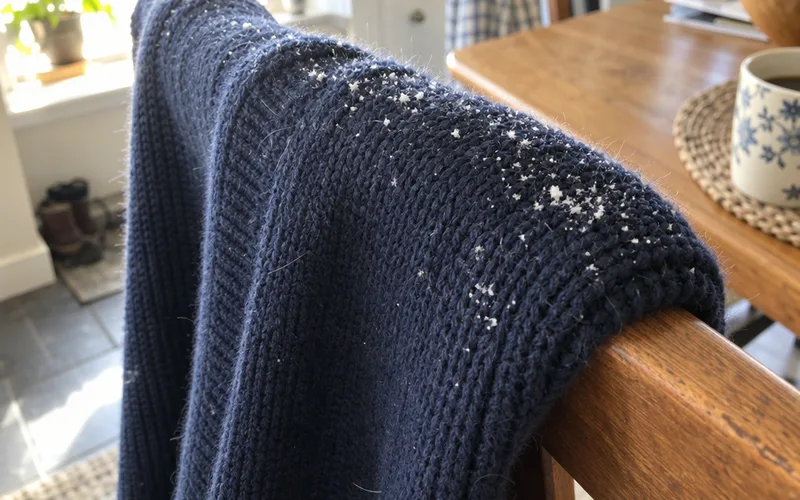
Before the flakes fall, your scalp may look red, oily and scaly. The scales then break off as the white or yellowish bits of dead skin you see on your shoulders.
Those scales can also show up on your eyebrows and the sides of your nose, anywhere you have oil glands.
Dandruff isn’t curable, so most people manage its symptoms over the long term. Flakes that return after a good month don’t mean you did something wrong.
Is Dandruff Caused by a Dry or Oily Scalp?
Dandruff is caused by an oily scalp, not a dry one: Cleveland Clinic states that excess oil causes dandruff, while loss of moisture causes dry scalp.
That clears up the most common mix-up. A flaky scalp can still be an oily one underneath.
Dandruff isn’t a hygiene problem, since dirty hair doesn’t cause it, but washing too rarely lets oily buildup add to the flakes. So skipping wash days to “save” your scalp can backfire if you have true dandruff.
How to Tell Dandruff From Dry Scalp
Dandruff and dry scalp are easiest to tell apart by 3 clues: the size and look of the flakes, whether your scalp is inflamed, and whether the rest of your skin is dry too. Check all 3 before you buy anything.
Compare the Flakes
Dandruff flakes are bigger and look oily, while dry scalp flakes are smaller and drier. Your scalp may itch with either one, but a dry scalp won’t be inflamed the way it can be with dandruff.
Here’s how to check: part your hair in 3 or 4 spots under a bright light and look at the skin itself, not just your collar.
Greasy, yellowish scale near the roots leans toward dandruff. Loose, dry white bits on a calm-looking scalp lean toward dry scalp.
Try the Overnight Moisturizer Test
The overnight moisturizer test checks for dry scalp: put a light moisturizer on your scalp before bed, and if the flakes are gone after your shower the next morning, dry scalp was the cause.
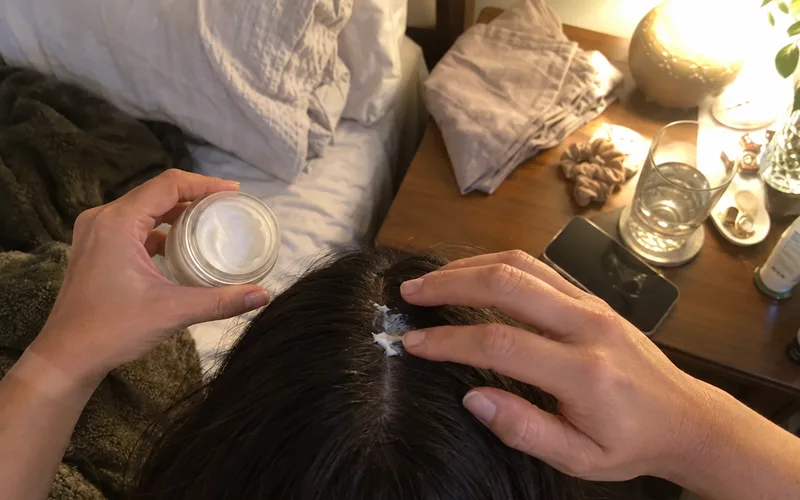
Here’s how to run it:
- Rub a small amount of a light moisturizer into the flaky spots at bedtime.
- Wash your hair as usual the next morning.
- Check the same spots once your hair is dry.
If the flakes are still there, dryness probably isn’t the whole story. A dandruff shampoo is the next thing to try.
Should You Use Dandruff Shampoo on a Dry Scalp?
Dandruff shampoo usually isn’t the right fix for a plain dry scalp, because some medicated ingredients add to the dryness: Healthline notes that salicylic acid can dry out your skin and cause more flaking.
The exception? Zinc pyrithione, often listed as pyrithione zinc.
The same guide calls pyrithione zinc shampoos gentle enough to use every day, so it’s the medicated option to try when your test results are unclear.
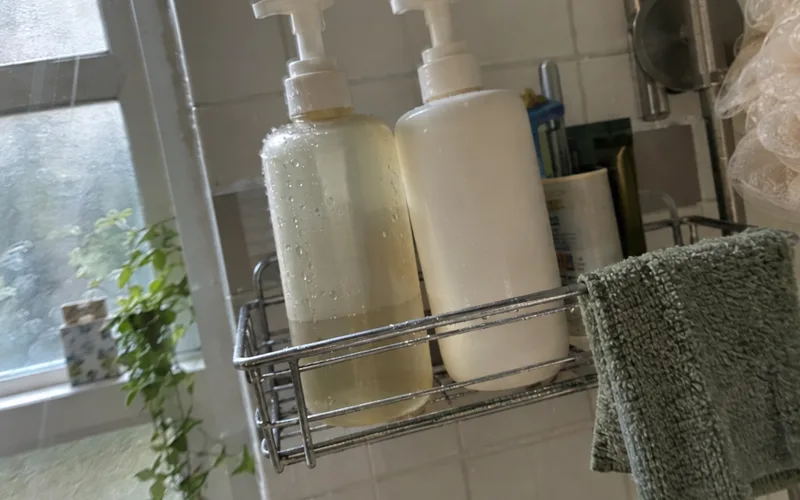
Key Takeaway: Match the shampoo to the cause, and save medicated formulas for flakes that look oily.
If your flakes passed the moisturizer test, these dry scalp treatment steps walk you through the gentler routine instead.
Which Dandruff Shampoo Ingredient Works Best?
The best dandruff shampoo ingredient depends on your hair and how stubborn the flakes are: pyrithione zinc suits everyday washing, ketoconazole comes in over-the-counter or prescription strength, and selenium sulfide and coal tar can change the color of light hair, according to Healthline.
Here’s what each of the 4 does:
- Pyrithione zinc: an antifungal that’s gentle enough for daily use.
- Ketoconazole: kills the fungus behind dandruff, sold over the counter or by prescription.
- Selenium sulfide: lowers the amount of fungus, but can change blond, gray or dyed hair.
- Coal tar: slows how fast scalp skin cells grow and shed, but can tint blond or gray hair.
So if you have balayage highlights or you’re growing out gray hair, start with pyrithione zinc or ketoconazole. Ask a healthcare professional before putting selenium sulfide on light or dyed hair.
Tea tree oil shampoos are a natural alternative with antifungal properties, but some people are allergic to tea tree oil, so stop if you notice redness or swelling.
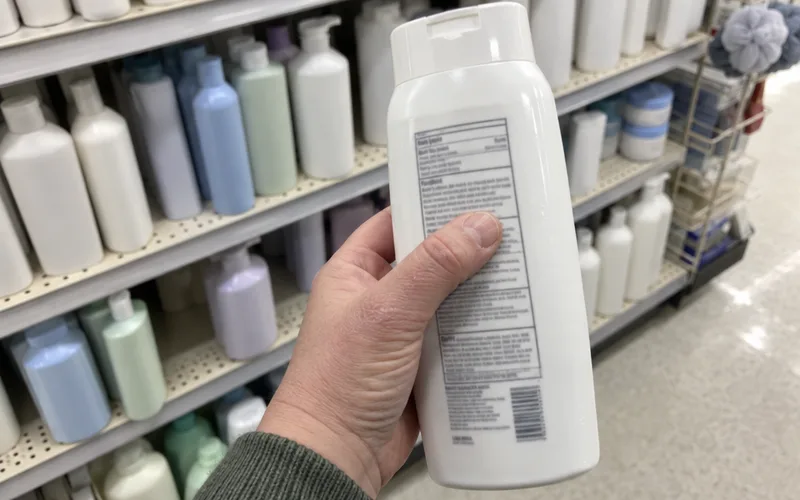
Pro Tip: Follow the directions on the bottle, including how long to leave the lather on, since each formula has its own.
Once you know your ingredient, compare these shampoos dermatologists recommend for dandruff.
How to Get Rid of a Dry Scalp
You can usually get rid of a dry scalp by switching to a gentle, non-medicated shampoo and cutting out whatever is drying your scalp, such as a harsh product or cold, dry air.
Start with these 3 changes:
- Rinse longer, since leftover lather can irritate your scalp.
- Stop any new styling product that showed up around the time the itch did.
- Run a humidifier at home when the air turns cold and dry.
Some people also use an oil before washing. This coconut oil routine covers how much to use and when to skip it.
If you’d rather start with something from the kitchen, these home remedies for itchy scalp are worth a patch test first.
Can Stress Cause Dandruff?
Stress can trigger dandruff: a Healthline guide updated in November 2026 lists stress, along with age and hormones, among the factors that make Malassezia yeast multiply, and Cleveland Clinic names it as one cause of seborrheic dermatitis.
So a flare during a hard week doesn’t mean your shampoo stopped working.

Keep up your medicated wash through the flare. Then add one habit that lowers stress for you, such as exercise, meditation or more sleep.
Dry Scalp vs Dandruff vs Psoriasis and Seborrheic Dermatitis
Seborrheic dermatitis is the main cause of dandruff, so the 2 are closely linked, while scalp psoriasis is a separate condition in which skin cells grow so fast they pile up in patches called plaques, Cleveland Clinic explains.
Here’s how they usually look:
- Dry scalp: small, dry flakes on a scalp that isn’t inflamed.
- Dandruff and seborrheic dermatitis: oily, white or yellowish scale on a red, scaly scalp.
- Scalp psoriasis: built-up patches of skin rather than loose flakes.
Scalp ringworm (tinea capitis), a fungal infection that spreads very easily, can also leave a dry, flaky scalp.
Both need a dermatologist’s plan, often with prescription medications such as corticosteroids or light therapy for psoriasis. So if you see patches rather than flakes, skip the home testing and book a visit.
When to See a Dermatologist
See a dermatologist if a dandruff shampoo hasn’t helped after at least 1 month or your flakes are getting worse, Healthline advises, and sooner if your scalp itches constantly, has a red rash, or feels swollen, warm or painful, per Cleveland Clinic.
For stubborn dandruff, a doctor can prescribe a stronger shampoo, a topical steroid or a topical antifungal, the same guide adds.
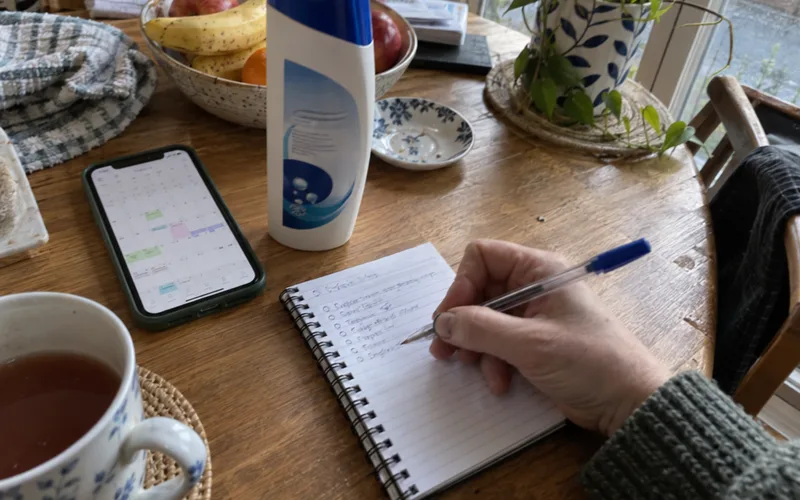
Here’s what to say at the appointment: “I’ve used a dandruff shampoo for over a month and the flakes haven’t changed. Could this be seborrheic dermatitis, psoriasis or something else?”
And if you notice thinning along with the flakes, mention it too, since hair loss in women has its own causes worth checking.
Signs You Have a Dry Scalp
You likely have a dry scalp if your flakes are small, dry and white, your scalp itches without looking red, and the skin on your arms or legs feels dry too.
3 more signs point the same way:
- The flakes got worse when the weather turned cold and dry.
- The itch started after you tried a new hair product.
- The overnight moisturizer test cleared your flakes.
If that sounds like you, a gentle shampoo is your starting point. A simple scalp care routine then helps keep the dryness from coming back, alongside the rest of your hair care routine.
Signs You Have Dandruff
You likely have dandruff if your flakes are bigger, oily and white or yellow, and your scalp looks red, greasy or scaly.
These 3 signs back it up:
- The flakes cling near your roots and feel greasy.
- Flare-ups line up with stressful weeks.
- The flakes were still there after the moisturizer test.
That combination calls for a medicated wash. Start with pyrithione zinc, give it a full month, and see a dermatologist if nothing changes.
Frequently Asked Questions
What shampoo is best for dry scalp?
The best shampoo for a dry scalp is a gentle, non-medicated one, because Cleveland Clinic says switching to that kind of cleanser usually gets rid of dry scalp. Follow it with a moisturizing hair conditioner, and skip harsh products while your scalp recovers.
Why do I have white flakes on my scalp but not dandruff?
White flakes without dandruff usually mean a dry scalp, which Cleveland Clinic links to lost moisture, cold or low-humidity air and hair products that strip your natural oils. Shampoo you don’t rinse out fully can irritate your scalp too.
Will a dry scalp fix itself?
A dry scalp usually clears once you remove what’s drying it, and Cleveland Clinic calls the condition usually manageable and easily treated. If a gentle shampoo and fewer harsh products don’t help, see your doctor.
Can I use dandruff shampoo every day?
Yes, you can use a pyrithione zinc dandruff shampoo every day, since Healthline calls these shampoos gentle enough for daily use. For other ingredients, follow the directions on the bottle.
Is dandruff shampoo safe for colored or gray hair?
Pick pyrithione zinc or ketoconazole if your hair is colored, blond or gray, because Healthline warns that selenium sulfide can change blond, gray or dyed hair and coal tar can change blond or gray hair. Ask a healthcare professional before using either one on light hair.
Is a prescription dandruff shampoo better than over the counter?
A prescription dandruff shampoo is the next step only when over-the-counter ones fail: ketoconazole comes in both strengths, and Healthline says a doctor can prescribe a stronger shampoo for stubborn dandruff. Give an over-the-counter shampoo at least a month first.
Final Thoughts
Dry scalp vs dandruff comes down to moisture versus oil: small, dry flakes need gentler care, while bigger, oily flakes need a medicated shampoo.
Tonight, smooth a light moisturizer onto your scalp before bed and check the flakes after tomorrow’s shower.
If they’re gone, switch to a gentle shampoo. If they’re not, start a pyrithione zinc shampoo and give it a full month.