
More than 50% of women will deal with noticeable hair loss.
That’s from Cleveland Clinic’s medically reviewed guide, which puts female pattern hair loss alone at about 30 million people in the US.
Below, each treatment for hair loss in women is matched to the type it fits, with how long it takes and who should skip it:
- Pregnant or trying to be: read the pill warning and the FAQ before you buy anything.
- Daily scalp routines never stick for you? The in-office and laser sections fit better.
- A big shed after a baby, an illness or major weight loss points to the regrowth section first.
Match the Treatment to Your Type of Hair Loss
The best treatment for hair loss in women depends on which of 3 common types you have, so a dermatologist names the type first.
These are the 3 types you’ll hear about most:
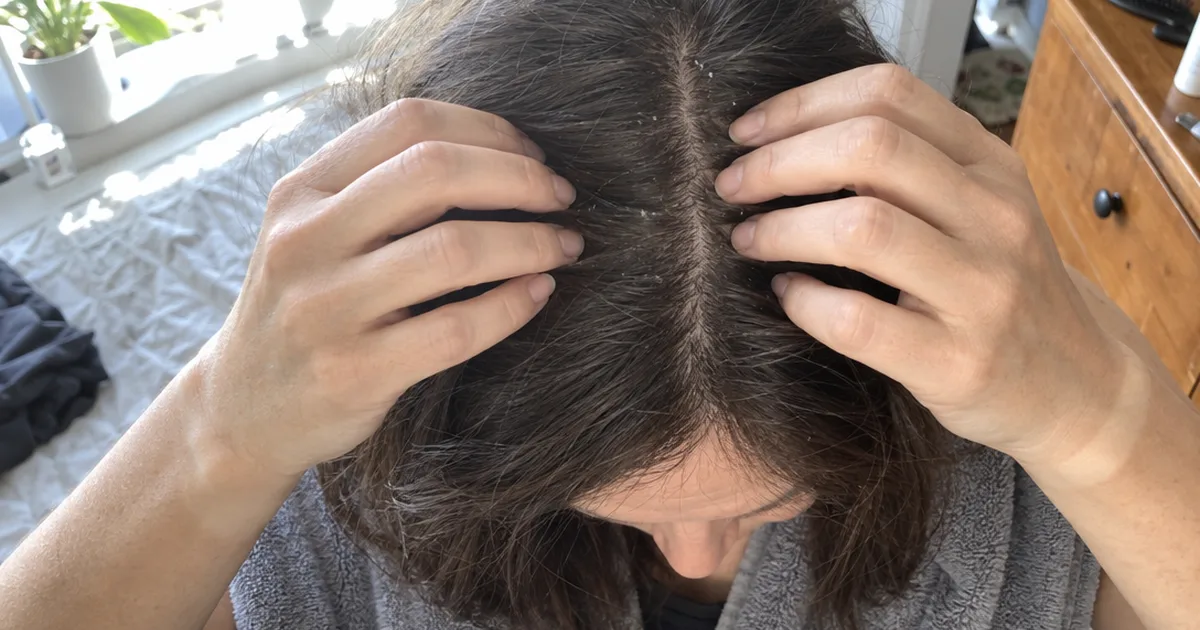
- Female pattern hair loss (androgenetic alopecia): hair thins over the top and sides, and your part gets wider.
- Telogen effluvium: a lot of hair sheds at once after stress, illness, surgery or pregnancy.
- Alopecia areata: your immune system attacks hair follicles, leaving round bald patches.
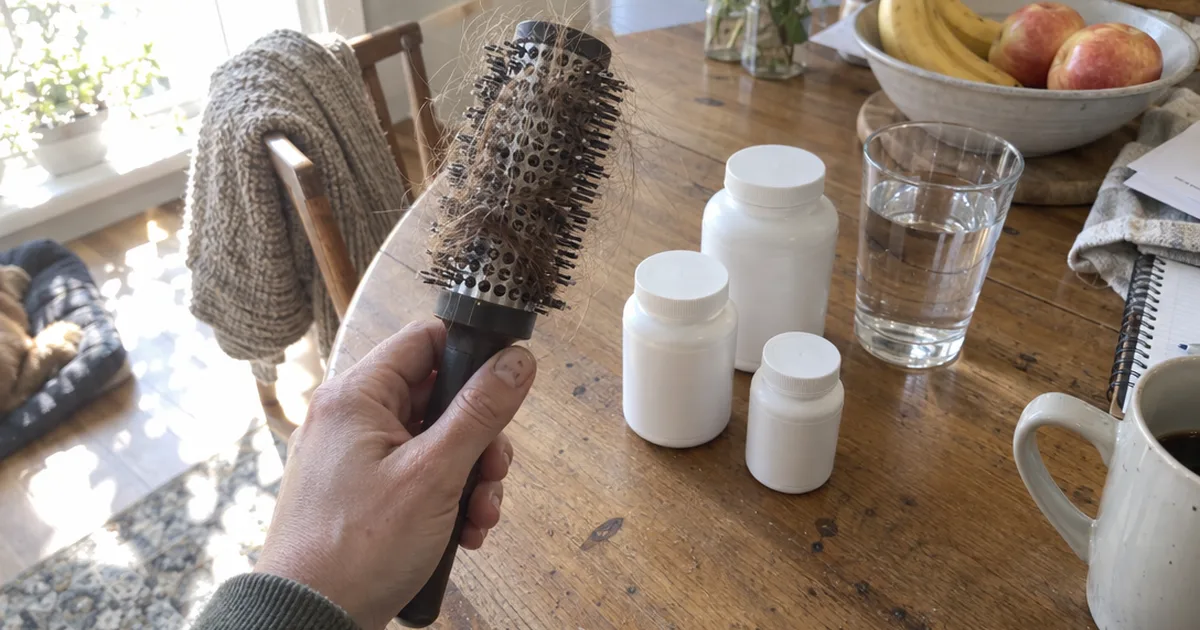
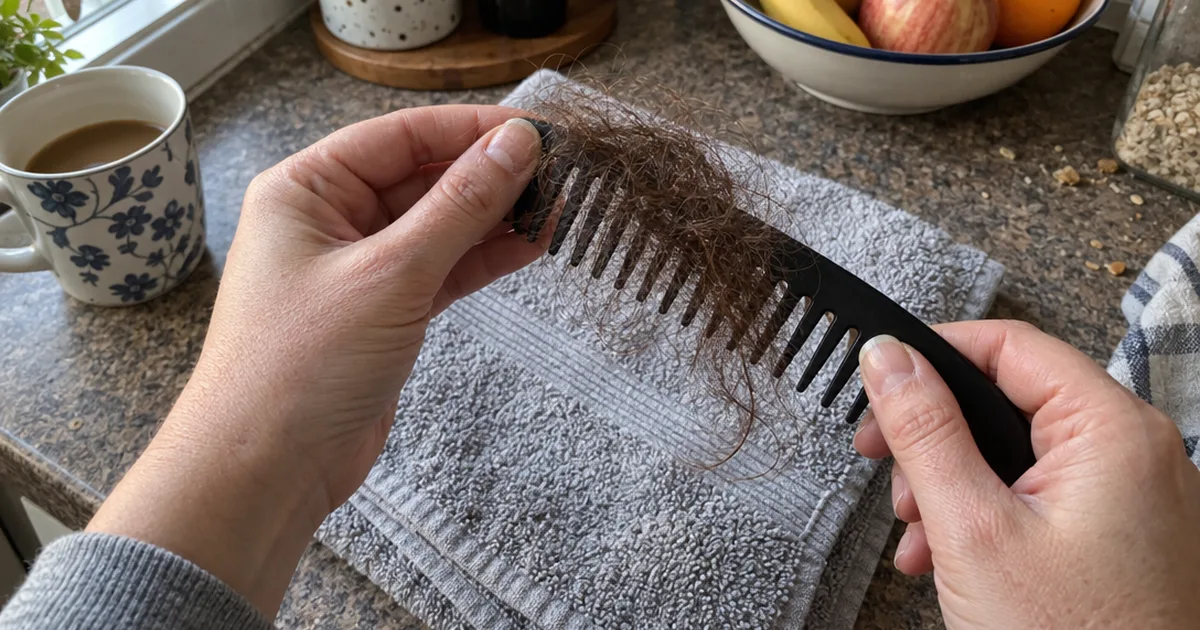
So how much shedding is too much? Cleveland Clinic counts losing more than 125 hairs a day as hair loss.
Hormones often play a part, so learn which hormone causes hair loss first.
Minoxidil: The Over-the-Counter Option
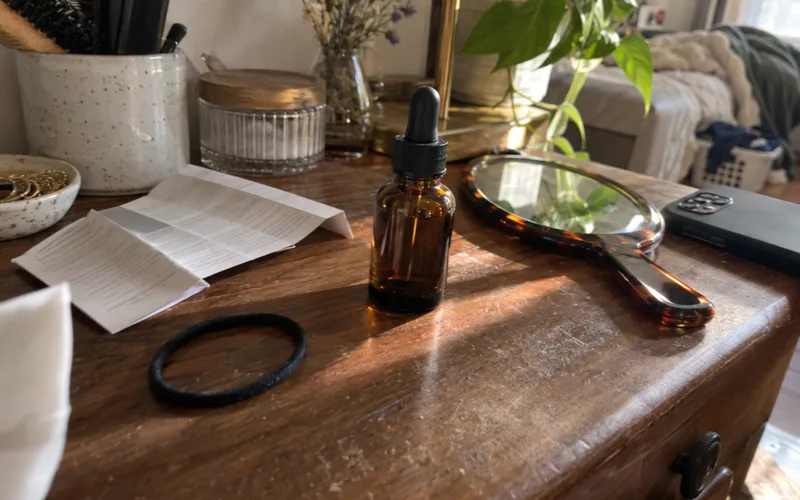
Minoxidil (Rogaine) is the over-the-counter treatment for female pattern hair loss. Regrowth usually takes about 6 to 12 months, the American Academy of Dermatology says.
Cleveland Clinic says you buy it as a 2% or 5% solution and use it indefinitely. It also tends to work better with a second treatment, the academy adds.
So judge it at month 6, not week 3.
Minoxidil helps early thinning, but it can’t regrow a full head of hair. Stop using it and you lose the gains.
It can also leave your scalp dry, itchy or red, the minoxidil side effects the clinic lists. Judge minoxidil before and after photos against that same window.
If a daily scalp routine sounds like a chore, ask your dermatologist about minoxidil pills for women.
Spironolactone and Finasteride Are the Prescription Pills
Spironolactone is a prescription pill for female pattern hair loss that helps about 40% of women, the American Academy of Dermatology reports. In one study of 166 women on spironolactone, 42% saw mild improvement and 31% reported thicker hair.
Note: Spironolactone can cause birth defects. If you could get pregnant, your dermatologist will also prescribe birth control.
Finasteride is mainly a men’s drug. A dermatologist may prescribe it to a woman with hereditary hair loss only if she can’t get pregnant.
In-Office Treatments: PRP, Steroid Shots and Transplants
In-office hair loss treatments include PRP shots, steroid shots and hair transplants. The American Academy of Dermatology calls a transplant an effective and permanent fix for pattern balding.
Procedures like these also tend to beat at-home care.
PRP Injections
Platelet-rich plasma (PRP) can be a safe and effective hair loss treatment, the AAD says. It injects the plasma from a little of your own blood where hair is thin, in a 10-minute session with no downtime.
Most patients come back once a month for 3 months, then every 3 to 6 months. Pairing PRP with microneedling for hair can boost growth too.
Steroid Shots for Alopecia Areata
Corticosteroid shots are the best treatment for a few patches of alopecia areata, the AAD says. In one study of 127 patients, more than 80% regrew at least half their hair within 12 weeks.
Expect a shot every 4 to 8 weeks as needed.
Laser Caps and Combs Can Help Some Women
Laser caps and combs, a form of low-level laser therapy, can thicken hair for some women with pattern thinning. Cleveland Clinic notes the HairMax Lasercomb is FDA-approved for female pattern hair loss.
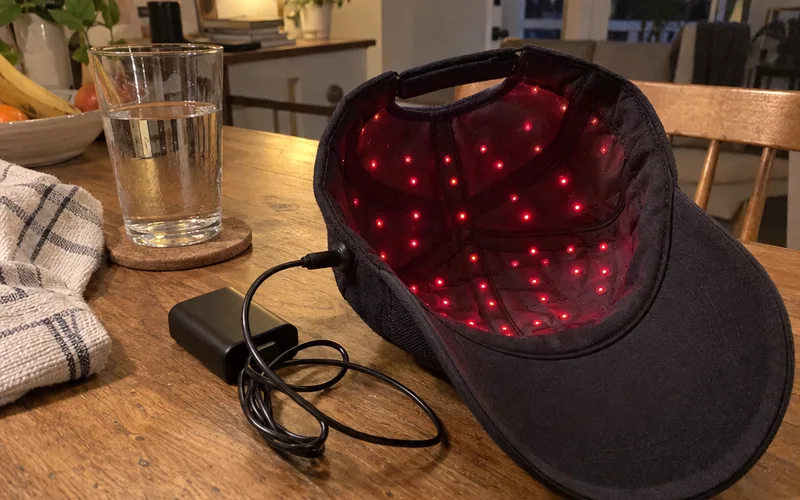
In one study the AAD cites, more than 200 men and women used a laser comb or a fake one 3 times a week. They kept it up for 26 weeks.
Some laser users got thicker, fuller hair, but not everyone did.
So a laser suits you only if you can stick with a months-long schedule.
Hair Often Grows Back on Its Own After Shedding
Hair often grows back on its own after a baby, a big illness, surgery, cancer treatment or losing 20 pounds or more, the American Academy of Dermatology says. A mild case of alopecia areata can regrow on its own too.
If your shedding followed one of those, ask a dermatologist whether you need treatment before buying anything.
Supplements, Food and Gentle Hair Care
Supplements only help hair loss when a blood test shows you’re low in biotin, iron or zinc, the American Academy of Dermatology says. Know the vitamin deficiencies linked to hair loss before you ask for that test.
A few foods that help prevent hair loss are easy to add, but they’re support, not treatment.
Gentle habits from a basic hair care routine protect the hair you have, starting with a sulfate-free volumizing shampoo.
A calm scalp care routine and a steady hair care routine for growth fit right in. Treat hair growth oils as extras.
When to See a Dermatologist for Hair Loss
See a dermatologist as soon as you notice hair loss, because Cleveland Clinic says earlier treatment works better. Expect a scalp exam, a gentle pull test and maybe blood tests for vitamins, minerals and thyroid.
That one visit turns guesswork into a plan you can stick with.
Frequently Asked Questions
Which hair loss treatments are safe during pregnancy?
Minoxidil and spironolactone are both unsafe during pregnancy. Cleveland Clinic says to skip minoxidil while pregnant, trying or breastfeeding, and the AAD warns spironolactone can cause birth defects.
What causes hair loss during perimenopause?
Hair loss during perimenopause comes from shifting hormone levels, which shrink your hair follicles so hair grows finer, according to Cleveland Clinic. A dermatologist can check whether treatment will help.
What vitamins am I lacking if my hair is falling out?
Hair that’s falling out can point to low biotin, iron or zinc, but only a blood test shows which one you’re missing. The AAD says to supplement only when results are low.
What are some natural remedies for hair loss?
Natural remedies for hair loss that Cleveland Clinic lists are lowering stress, avoiding damaging styles, massaging your scalp when you wash and using a sulfate-free volumizing shampoo. They support treatment rather than replace it.